Stop 01 · Footwear Commuter Notes
Leather Soles vs. Rubber Soles: A Commuter's Verdict
Leather looks better and breathes better, rubber grips better and lasts longer, and a $50 fix from a cobbler lets a daily commuter have most of both.
By Marcus Hale, Footwear Editor
· 6 min read · 1,457 words
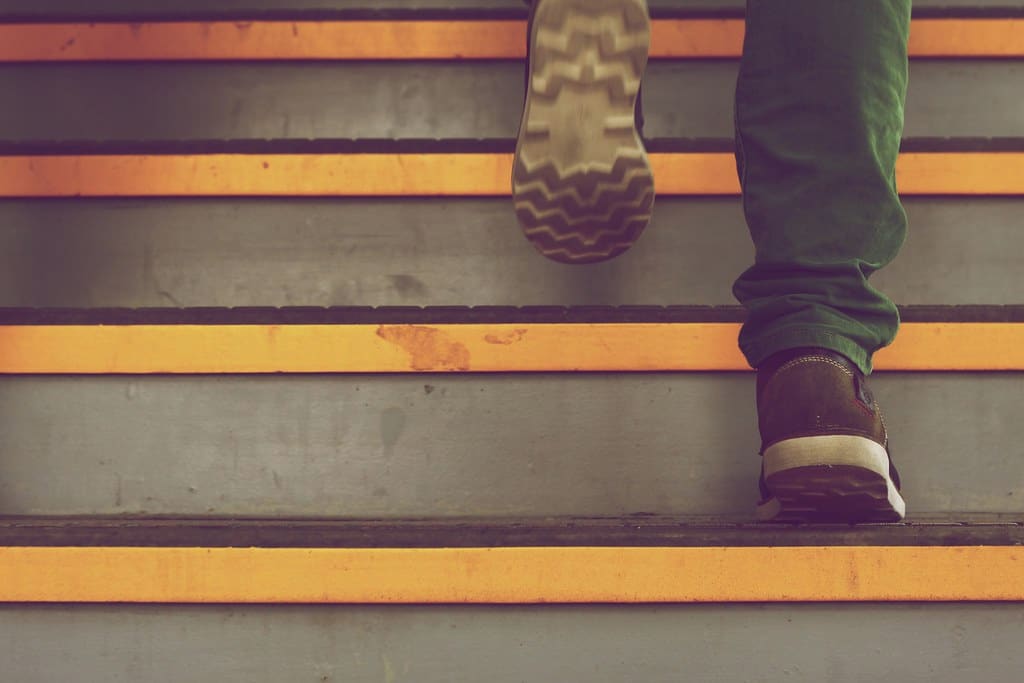
Stand at the top of a subway stair at 8:15 on a wet morning and listen. Rubber soles make a soft, flat slap on the steps. Leather soles make a little skid on every third or fourth one, and the men wearing them hold the handrail. I’ve been the man holding the handrail. I once went down flat on my back on a tiled station floor in brand-new leather-soled oxfords, and my bag slid farther than I did.
That fall settled part of the leather vs. rubber soles question for me, though not the way you’d guess.
For most commuters, the plain answer is rubber for the walk and leather for the office, or a leather sole with a thin rubber half-sole added by a good cobbler for about $40 to $60. Pure leather grips worse in rain, especially when new, and wears faster on concrete. It also breathes better and looks sleeker under a trouser hem, which is why it’s still worth owning.
What each sole does on a wet sidewalk
A leather sole is a slab of vegetable-tanned cowhide, usually about a quarter inch thick on a dress shoe. New, its bottom is smooth and slightly glazed from finishing. On dry concrete that’s fine. On wet tile, marble or a painted crosswalk line, it behaves like a hockey puck for the first couple of weeks. Once the surface scuffs and roughens, grip improves a lot, but it never matches rubber in the rain.
Rubber soles range from thin, flat dress-shoe rubber to chunky lugs. Even the flat versions grip wet stone noticeably better than leather, and they don’t soak up water. A leather sole worn through a full rainy day wicks moisture into the insole, and if you put the shoe away wet it can warp as it dries.
Rubber varies, so turn the shoe over in the store. A dense, low-profile dress rubber about as thick as a leather sole looks almost identical from the side. Soft, spongy rubber with a deep pattern grips well but wears fast, and it reads casual under a suit. Press a thumbnail into it: if the dent stays for a second, the compound is soft and you’ll see the cobbler sooner. Winter is where rubber pulls furthest ahead. Salt slush soaks into a leather sole and dries it out from underneath, and I’ve seen leather soles go brittle and split across the waist after one bad February.
Leather has its own case. It breathes, which matters if your feet run hot. It flexes with your foot instead of springing back against it. And it gives a dress shoe that thin, close-cut edge rubber struggles to copy, which is why most formal shoes still use it.
| Factor | Leather sole | Rubber sole |
|---|---|---|
| Wet grip, first month | Poor | Good |
| Water resistance | Low, wicks moisture | High |
| Miles to wear-through (concrete) | About 600–900 | About 1,000–1,500 |
| Full resole cost | $90–$150 | $70–$120 |
| Look under a suit | Sleek | Slightly heavier |
Those mileage numbers are rough and depend on your gait and how much of your route is pavement. Walk two miles a day, five days a week, and you cover about 500 miles a year, so a leather sole worn daily might give you 14 to 20 months. Put it in a rotation with other pairs and that stretches to two or three years.
Leather vs. rubber soles over a year of commuting
I tracked my own commute for a year once, mostly out of stubbornness. Two pairs of dress shoes, one on leather and one on a rubber sole of similar thickness, alternating days. The leather sole wore through at the ball of the foot after about 13 months. The rubber one still had half its tread. I’d expected leather to lose, but not by that much.
Comfort surprised me more. On dry days I preferred the leather pair, easily. It felt lighter and moved better. On wet days I dreaded it. That’s the real trade for a commuter: leather is the better shoe on maybe 70% of days and the worse one on the other 30%.
Resoling changes the math, too. On a welted shoe, a cobbler will swap a worn leather sole for leather or rubber, and plenty of men switch to rubber after the first leather sole goes. If you know how Goodyear welting works, you know the sole is the replaceable part, so the choice you make at the register isn’t permanent.
I’ve never seen a man regret a rubber half-sole, but I’ve seen a few regret skipping one.
A rubber half-sole is the commuter’s compromise
The option most men don’t know about is the half-sole, sometimes called a topy. A cobbler glues, and sometimes tacks, a sheet of rubber about a sixteenth of an inch thick over the front half of a leather sole, from the toe to just behind the ball of the foot. It costs $40 to $60 and adds almost no visible bulk. You get real grip in the rain, and the leather underneath is protected, so the sole lasts much longer.
Purists hate it. They say it ruins the shoe’s flex and traps moisture. I’ve had half-soles put on dozens of customers’ pairs and on most of my own, and I haven’t seen either problem in practice, as long as the shoe was broken in first. Wait until the leather sole has a few weeks of wear so the cobbler is gluing to a roughened, settled surface. A good shop turns it around in a day or two.
Heel taps are the other cheap fix. Most cobblers charge $14 to $20 to add a rubber or steel tap to the back edge of the heel, where most of us strike first. It keeps the heel from wearing to a slope, and a sloped heel tips your whole stride outward.
One dress shoe, one sneaker, both with a catch
The Allen Edmonds Park Avenue Cap-Toe Oxford, $425, is a leather-soled shoe built for the office: Goodyear-welted calfskin with closed lacing, and the maker will recraft it when the sole is done. For a commuter, the problem is timing. The leather sole is slick on wet pavement for the first few weeks, which is exactly when you’re babying a new pair and most likely to wear it on a rainy morning anyway. It’s also too formal for jeans or chinos, so it won’t double as a casual shoe on a dressed-down Friday. My advice is to wear it in dry weather for two or three weeks, then have a half-sole added. You end up with a shoe that handles a wet commute and still looks right with a suit.
The New Balance Made in USA 990v6, $200, sits at the other end. Gray suede and mesh, real cushioning, a rubber sole that grips almost anything. On a long walk across the city nothing I’ve mentioned here is more comfortable, and it’s the pair I’d take when packing a week in a carry-on. The limits are the look and the color. The chunky silhouette fights with tailored trousers, so it isn’t a suit-commute shoe unless you change at your desk. And pale suede and mesh show dirt quickly; a gray sneaker that’s done two weeks of wet sidewalks looks it.
| Shoe | Price | Sole | Limitation |
|---|---|---|---|
| AE Park Avenue | $425 | Leather, resolable | Slick when new, formal only |
| NB 990v6 | $200 | Rubber | Chunky with tailoring, shows dirt |
Change shoes at your desk if you have to
Plenty of commuters solve this the old way: walk in sneakers, keep dress shoes at the office. I did it for two years. It adds about 30 seconds to your morning, and the only cost is a pair of shoes living under your desk. If you do it with chinos instead of suit trousers, get the hem short enough that it doesn’t pool over a bulky runner; the rules for sneakers with chinos apply even if it’s only for the walk.
If you’d rather wear one pair all day, a rubber-soled dress shoe or a half-soled leather one handles the walk and the meeting. Spreading your miles across a four-shoe rotation keeps any single sole from wearing through in a year, whichever material you pick. I’ve collected more footwear guides on welts and sizing if you’re working out which pair comes next.
The verdict: If you walk more than a mile to work and it rains where you live, buy leather-soled dress shoes, wear them in dry weather for two or three weeks, then pay $40 to $60 for a rubber half-sole. If your commute is mostly sitting on a train, keep the pure leather and enjoy it. If you’re on your feet for hours, walk in a cushioned rubber sneaker and change at your desk.
In this story
How we make money: some links below are affiliate links. If you buy through them, Via may earn a commission. It never changes the price you pay, and it never decides what we recommend. Full disclosure.
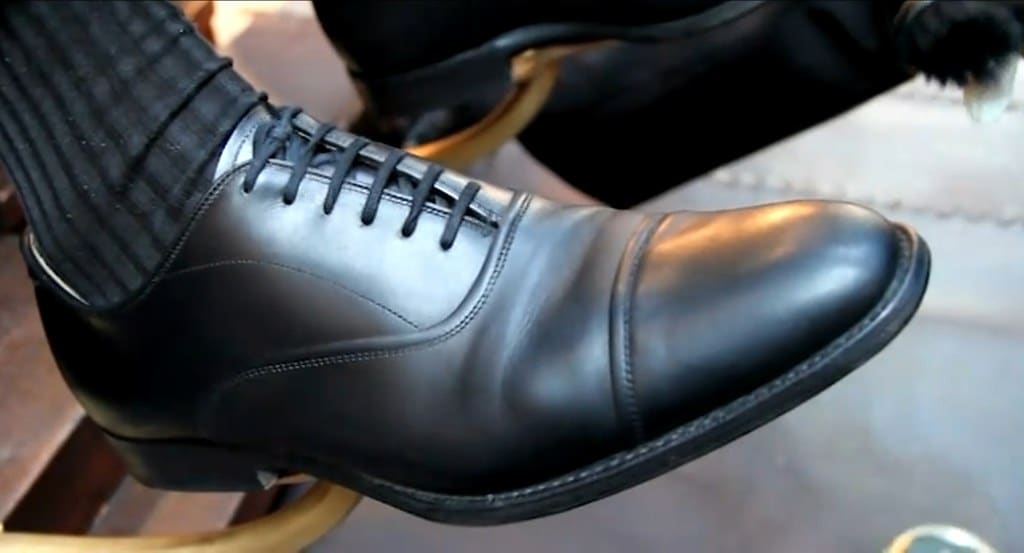
Investment · $300+
Allen Edmonds Park Avenue Cap-Toe Oxford
A Goodyear-welted calfskin cap-toe oxford with a closed lacing that sits clean under suit trousers and can be recrafted by the maker when the sole is done.
Won't do: Too formal for jeans or chinos, and the leather sole is slick on wet pavement for the first few weeks.
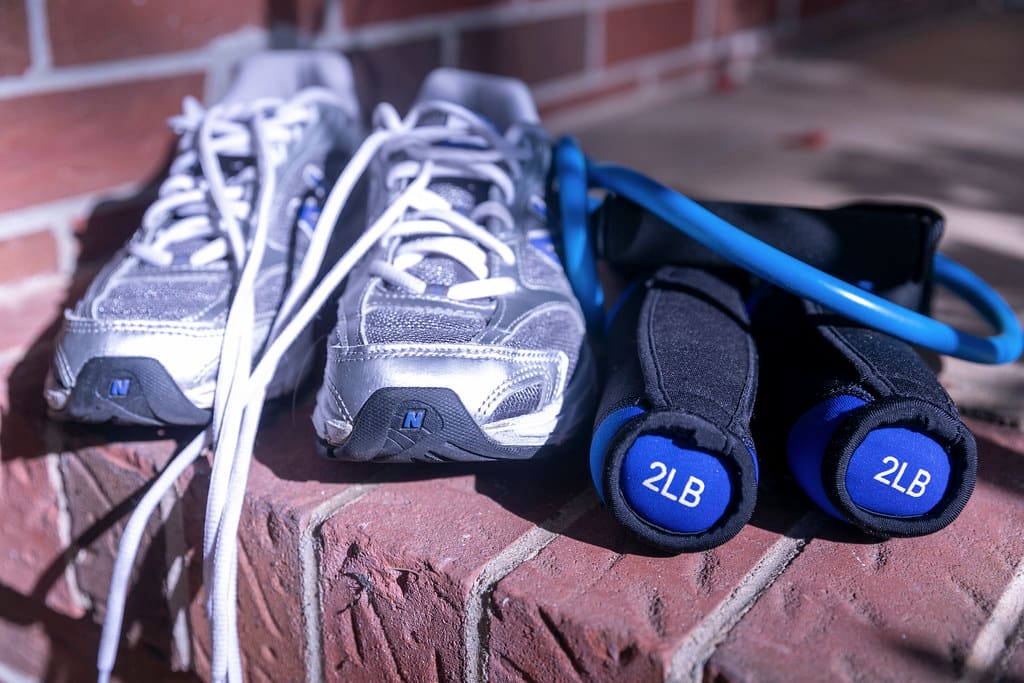
Mid · $100–$299
New Balance Made in USA 990v6
A grey suede-and-mesh runner with real cushioning; the comfortable choice for travel days and weekends on your feet.
Won't do: The chunky silhouette fights with tailored trousers, and pale suede and mesh show dirt quickly.
Next stops
All Footwear guides
Goodyear Welting, Explained: What You're Actually Paying For
A welt is a strip of leather and two rows of stitching, and understanding it can save you hundreds of dollars over ten years of wear.
Marcus Hale 6 min
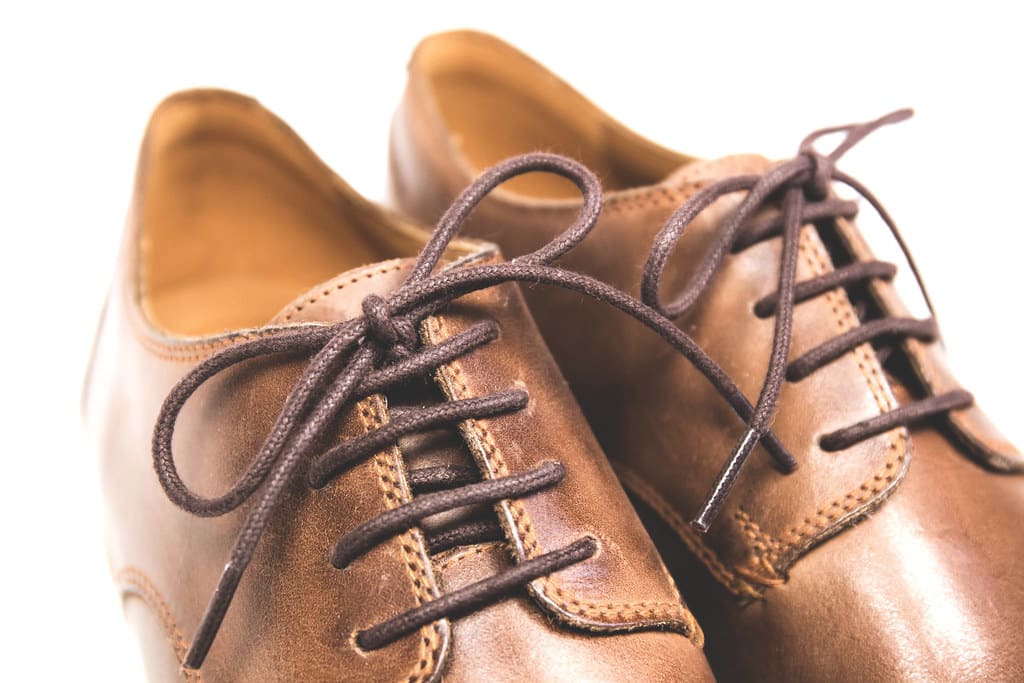
The Four-Shoe Rotation That Covers Most of a Year
An oxford, a white sneaker, a suede chukka and a penny loafer: four pairs, about $1,200, and almost nothing on the calendar they can't handle.
Marcus Hale 8 min
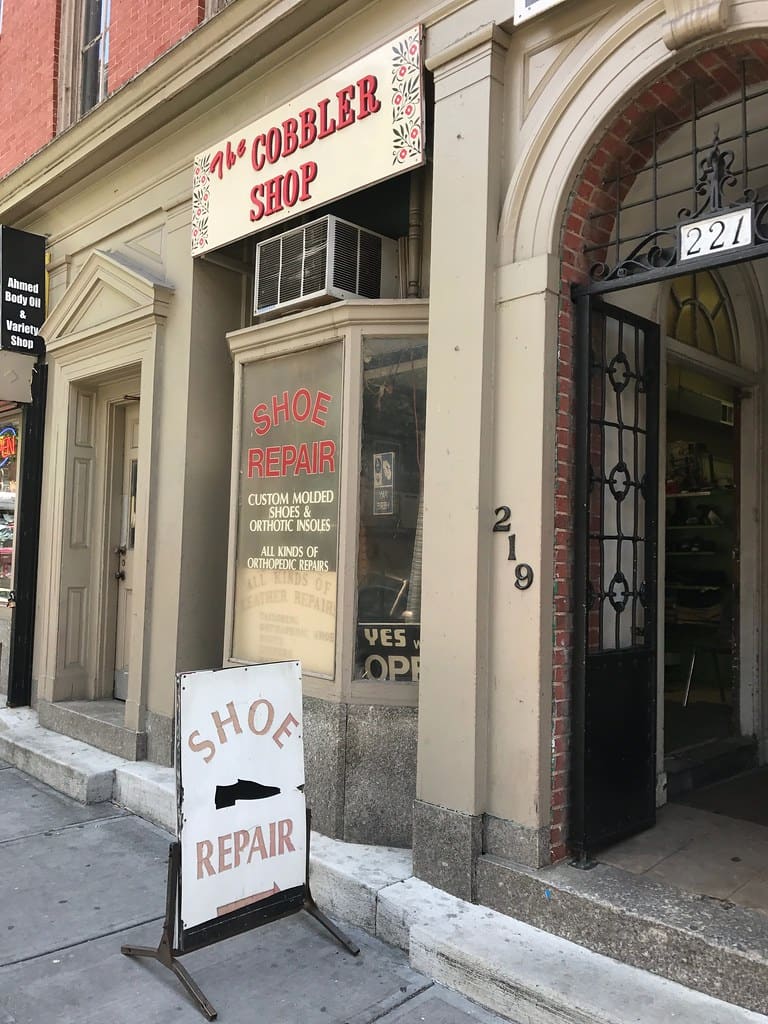
How to Find a Good Cobbler, and What to Ask
A good cobbler can keep a pair of shoes going for twenty years. How to spot one and put him to the test before your best pair hits the bench.
Walt Brennan 7 min