Stop 04 · Accessories Everyday Carry
The Case for a Thinner Wallet
Most wallets are thick because of what's in them, not how they're made. Carry six cards in half an inch of leather and put the rest somewhere else.
By Theo Lindqvist, Accessories Editor
· 6 min read · 1,103 words
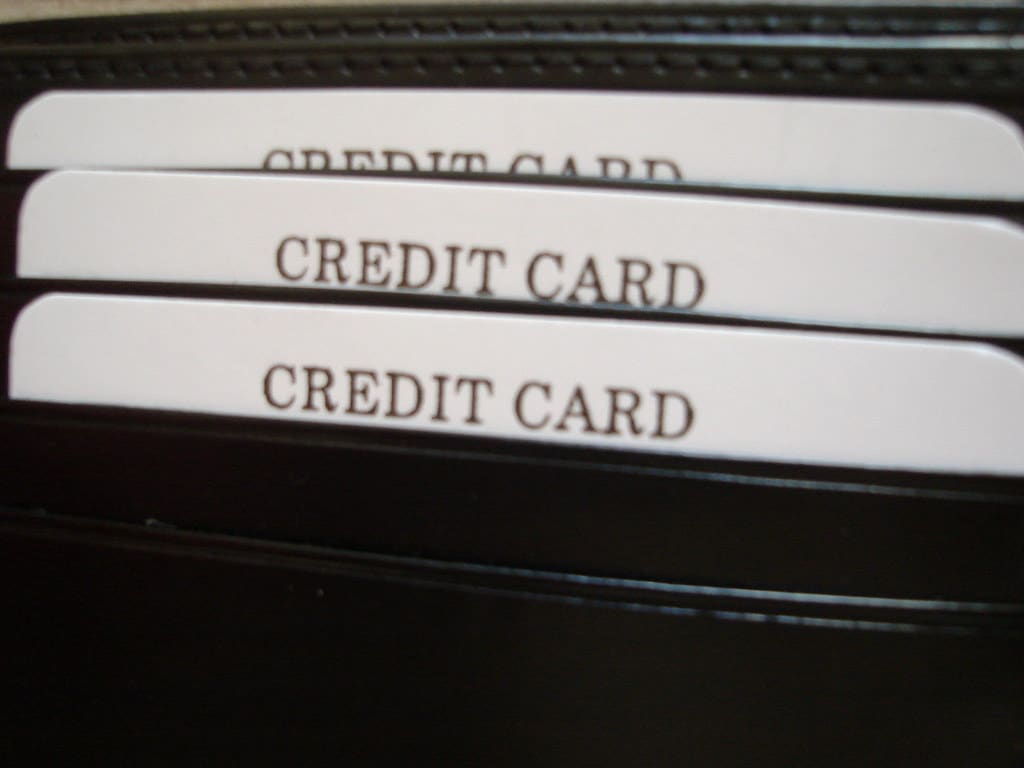
For six years I sat on a bifold that measured 0.9 inches thick when I finally put calipers on it, which is thicker than a deck of playing cards. It held 14 cards, and I used 4 of them. The rest were an expired gift card, two loyalty cards for shops that had closed, a library card from a city I’d left, and a business card from someone I still can’t place. I sat on that stack on one side every day, and on long drives my lower back let me know.
A slim wallet is the fix, and it’s simpler than the market makes it look. A good one holds four to six cards and a few folded bills, measures under half an inch thick loaded, and weighs around an ounce. If yours is thicker than that, the problem is usually what you’re carrying, and the leather is only a small part of it.
Empty it first
Before you buy anything, take everything out of your current wallet and sort it. One pile for what you used this week, one for what you used this year, and one for things you can’t remember using. The first pile is usually four to six cards. The second goes in a drawer at home or in your bag. The third goes in the shredder.
Then do the arithmetic. A card is about 0.03 inches thick, so ten cards are 0.3 inches before any leather. A traditional bifold adds a layer of leather for the outside and another behind every pocket, eight to ten layers in all at about 1/32 inch each. Most of the bulk you sit on is stuff you never use.
| What’s inside | Typical count | Added thickness |
|---|---|---|
| Payment and ID cards | 4–6 | 0.12–0.18 in |
| Loyalty and gift cards | 3–8 | 0.09–0.24 in |
| Folded bills | 5–10 | 0.04–0.09 in |
| Receipts | 2–10 | 0.01–0.06 in |
| Leather layers, bifold | 8–10 | 0.25–0.31 in |
Add up the top of each range and you get almost exactly my old wallet. Take out the loyalty cards and receipts and you’ve removed a third of an inch without buying anything.
What a slim wallet should hold
My brief for a slim wallet is short. Six cards and a few bills. Under 0.5 inches thick loaded. Under 1.5 ounces. Any card out in under five seconds, without unloading the others. That rules out most traditional bifolds and a surprising number of products sold as minimalist, which save thickness by stacking cards so tightly you have to fan them out to find one.
| Format | Loaded thickness | Cards | Typical price |
|---|---|---|---|
| Traditional bifold | 0.7–0.9 in | 8–14 | $50–$150 |
| Slim bifold | 0.4–0.5 in | 4–8 | $60–$140 |
| Card case | 0.3–0.4 in | 4–6 | $40–$120 |
| Money clip | 0.2–0.3 in | 2–4 | $20–$80 |
I carry a card case: two pockets on each face and a center slot for folded bills. It weighs about an ounce. The trade-off I accept is that coins have no home and more than five or six bills start to bunch. I haven’t missed the coins. A slim bifold makes sense if you still carry cash every day, because bills lie flat instead of folding twice. A money clip is the thinnest of all, but it’s better at bills than cards, and cards slide out of most clips after a few months.
If your wallet is thicker than half an inch, the wallet isn’t the problem.
Leather is sold by the ounce
Leather thickness is measured in ounces, and one ounce equals 1/64 inch. Belt leather runs 8 to 10 ounces. A good wallet uses 2 to 3 ounces, about 1/32 to 3/64 inch, and skips the lining, because a lined wallet doubles every layer. Edges should be burnished or painted rather than folded over, since a folded edge adds two more layers at the one place you want the least.
Leather also stretches. A card case that grips six cards firmly in the shop will hold them loosely a year later. I got this wrong once. I bought a case that fit my cards perfectly on day one, and by spring a card slid out onto a train platform. Buy one that feels slightly too snug and let it ease up.
Move it to the front pocket
A thick wallet in a back pocket does damage on two fronts. It tilts your hips every time you sit, which is why a long drive with a fat wallet can leave you sore. And it wears on your trousers: a back pocket with a wallet in it stretches, rubs a rectangle into the cloth and pulls the seat out of line. On raw denim that rectangle becomes the wallet fade some people want and I don’t, which is one reason what raw denim does in its first year depends on what you keep in the back pocket.
A slim wallet fits in a front pocket, where you don’t sit on it and where it’s harder to lift. With a suit, it goes in the inside breast pocket, and it should be thin enough that the jacket front doesn’t bulge. Take it out before the suit goes back in the closet; storing a suit between wears starts with empty pockets.
Front pockets fill up, though. Keys and a phone already live there, and in summer so do sunglasses that fit your face when they’re not on it. Something has to give, and a wallet a third of an inch thick is easy to give up room for.
Put the rest somewhere else
The things you took out still need a home. Spare cards, a backup ID and the warranty you swear you’ll need go in a small zip pouch. If you carry a bag to work, it belongs in an inside pocket there, and a work bag built to last should have one. Receipts get photographed and thrown out the same day. Loyalty cards go on your phone or in the trash.
This is the same exercise I’d apply to anything you own: count what you use, keep that, and find a better home for the rest. I’ve done it with clothes in the math of a capsule wardrobe, and the wallet was the easier case. It took ten minutes and cost nothing. For belts, bags and the rest of what you carry, our accessories guides take the same approach.
The verdict: Empty your wallet, keep the four to six cards you used this week, and carry them in an unlined card case or slim bifold that stays under 0.5 inches loaded, in your front pocket. Spend $40 to $120, buy it slightly snug, and put everything else in a pouch in your bag.
Next stops
All Accessories guides
Choosing a Work Bag That Lasts a Decade
Weight, materials, stress points and hardware decide whether a bag survives ten years of commuting. The price tag mostly decides how it looks while doing it.
Theo Lindqvist 9 min
Sunglasses That Fit: Bridge, Lens Width, and Temple Length
Three small numbers printed inside the arm tell you more about how a pair will sit on your face than any face-shape chart. Here's how to read them and what to measure.
Theo Lindqvist 9 min

The Shoulder Is the One Fit You Can't Fix
Sleeves, waists, and hems are a tailor's daily bread, but a shoulder that is wrong in the store will be wrong for the life of the jacket.
Julian Okafor 8 min