Stop 04 · Accessories Fit Notes
Belt Sizing: Why Your Belt Isn't Your Waist Size
A belt is measured from the buckle fold to the center hole, not around your body, and that one length is the only number worth trusting.
By Theo Lindqvist, Accessories Editor
· 5 min read · 1,225 words
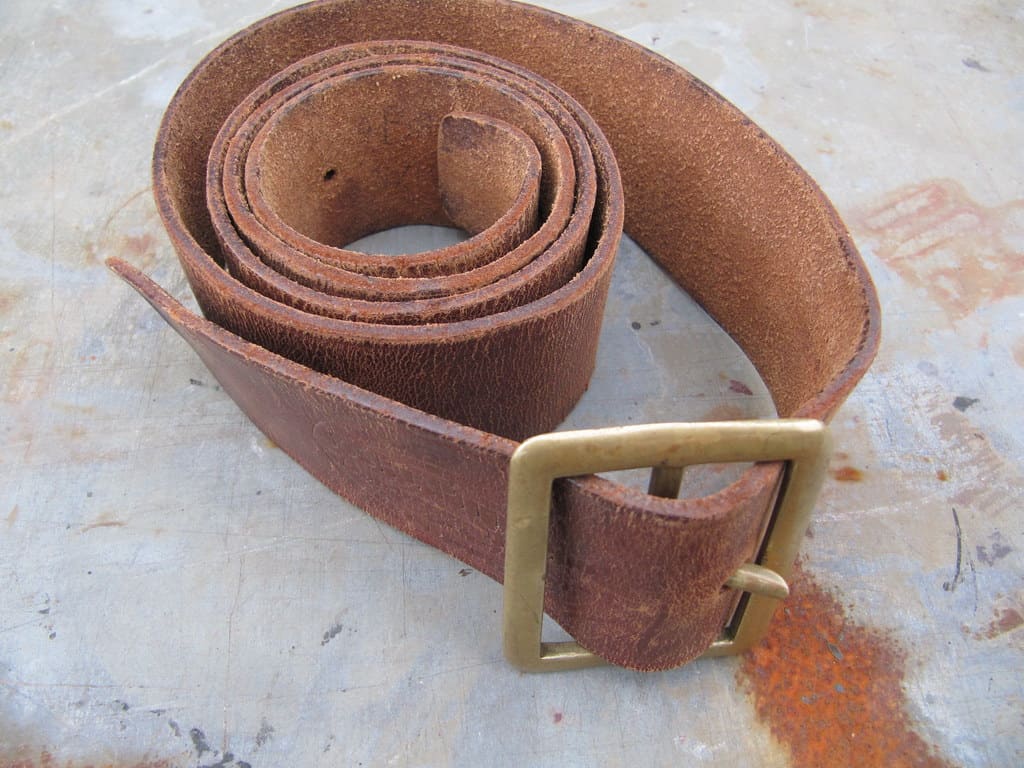
Last spring I watched a man in a fitting room cinch a new belt to the very last hole, then keep pulling, as if the leather might stretch out of politeness. The tag said 34. His trousers said 34. The belt was wrong anyway, and it wasn’t his fault. He’d matched one number to another, as the labels invite you to. They just describe different objects.
Your belt size is the length of the leather from the fold at the buckle to the center hole. For most men in most trousers, that comes out 2 inches larger than the trouser size: wear 34s, buy a 36. If you own a belt that fits, measure it and ignore every tag.
I learned that the slow way. For two years I wore a bridle belt I’d bought in my trouser size, always on the last hole, and blamed the leather for running short.
Belt size is measured along the leather
Your trouser size is a circumference, and a loose one at that. A pair labeled 34 might measure 34.5 inches around the waistband, or 35.5 if the maker practices vanity sizing, which plenty of casual labels do. A belt is labeled by length. On most well-made belts it runs from the fold where the leather wraps the buckle bar to the middle of the five holes. The tip doesn’t count, and neither does the first hole.
That center hole is the design intent. Five holes spaced 1 inch apart give you 2 inches of adjustment in each direction, and the maker expects you to live on the middle one on an ordinary day. One hole tighter after a long run, one looser after Thanksgiving. On the last hole the day you buy it, you’ve spent all your tolerance before the leather has softened.
The belt also rides outside the trousers, over the waistband and a tucked shirt, which can add close to an inch. If your trousers don’t sit where they should in the first place, rise and seat in a good pair of chinos will matter more than any belt.
Add two inches, then check
The trade rule is simple: buy a belt 2 inches larger than your trouser size. Wear 32s, buy a 34. It works because it roughly accounts for those layers and lands you near the center hole.
But a rule is a proxy, and I’d rather you measure. Lay a belt you already like flat on a table and measure from the fold at the buckle to the hole you actually use. That number is your belt size, whatever any tag said. If it falls between sizes, round up and punch one hole. Adding a hole costs a few dollars. Adding leather can’t be done.
| Trouser size | Belt to buy | Fold to center hole |
|---|---|---|
| 30 | 32 | 32 inches |
| 32 | 34 | 34 inches |
| 34 | 36 | 36 inches |
| 36 | 38 | 38 inches |
| 38 | 40 | 40 inches |
There are two exceptions. Some makers label a belt size by the trouser size they expect you to wear, so a belt marked 34 is already cut to about 36 inches at the center hole; read the sizing chart, which any serious maker publishes. And if your trousers sit low on the hip, as most jeans do, go an inch or so longer, because your hips are wider than the waist they replace.
If you’re between trouser sizes, a tailor taking in the waist is a $15 to $25 job and one of the alterations worth paying for. Size the belt to the altered trousers.
Your trousers are labeled with a circumference and your belt with a length, and only the belt is telling the truth.
Watch the tail
Most belt fit problems show at the end, not the buckle. Fastened, the tail should pass through the first belt loop and stop well before the second, which works out to 2 to 4 inches of leather past the buckle. Shorter, and the tip flaps loose and curls forward. Longer, and it wraps toward your hip like the strap on a duffel.
Front loops on most chinos and jeans sit about 4 to 5 inches apart, and a tail that ends roughly halfway to the next loop looks deliberate. One that reaches past it looks borrowed. A leather shop can shorten a long belt at the buckle end for $10 to $20 if the buckle is held by screws or snaps, which is why I only buy removable buckles. (A two-piece watch strap works the same way, holes and tail, and I’ve covered it in choosing a strap for daily wear.)
Width decides where a belt can go
Length gets the fit right. Width decides which trousers will accept the belt at all. Dress trousers have loops cut for belts between 1.125 and 1.25 inches wide, and a narrow belt lies flush under a jacket without a ridge. Jeans and work chinos are cut for 1.5 inches, and a slim dress belt looks undersized in them, like a pencil line drawn across heavy denim.
| Belt width | Best with | Typical leather |
|---|---|---|
| 1.125 inches | Suits, dress trousers | Thin, lined calf |
| 1.25 inches | Odd trousers, chinos | Calf or suede |
| 1.5 inches | Jeans, work chinos | Thick single layer |
| 1.75 inches | Workwear, tool belts | Heavy harness |
A single belt has to pick a row of that table, so I own two: a narrow dark calf belt for trousers I’d wear with a jacket, and a wide vegetable-tanned one for everything else. Color is a separate argument, made in whether your belt has to match your shoes.
The wide belt I’d point you toward is the Tanner Goods Standard Belt, at $135. It’s a single layer of thick vegetable-tanned leather with a solid brass buckle, so there are no glued layers to separate at the edges, and it darkens and softens over years of daily wear. The limitation is specific. At 1.5 inches wide it’s too broad for most suit-trouser loops, and it starts stiff: for the first few weeks it holds the curve of the box and the holes feel tight. A thin coat of conditioner helps, and knowing what conditioner does that cream and wax don’t will keep you from reaching for the wrong tin.
Leather moves about a quarter inch
Vegetable-tanned leather stretches a little in its first months, usually up to a quarter inch at the most-used hole, and the hole slowly elongates into an oval. So buy the belt size that puts you on the middle hole on day one. It leaves room for the leather to settle and for your waist to do what waists do.
If you buy online, check the fold-to-center-hole length and the width, then the hole spacing. Standard spacing is 1 inch. Some fashion belts space holes at 0.75 inches, which gives finer steps but only 3 inches of total range instead of 4. The rest of our accessories guides start from the same tape measure.
The verdict: Measure a belt you already wear from the buckle fold to the hole you use, and buy that number; with nothing to measure, buy your trouser size plus 2 inches. Own two belts, a 1.25-inch calf belt for tailored trousers and a 1.5-inch single-layer belt like the Tanner Goods Standard for jeans and chinos, and accept a few stiff weeks in exchange for a decade of wear.
In this story
How we make money: some links below are affiliate links. If you buy through them, Via may earn a commission. It never changes the price you pay, and it never decides what we recommend. Full disclosure.
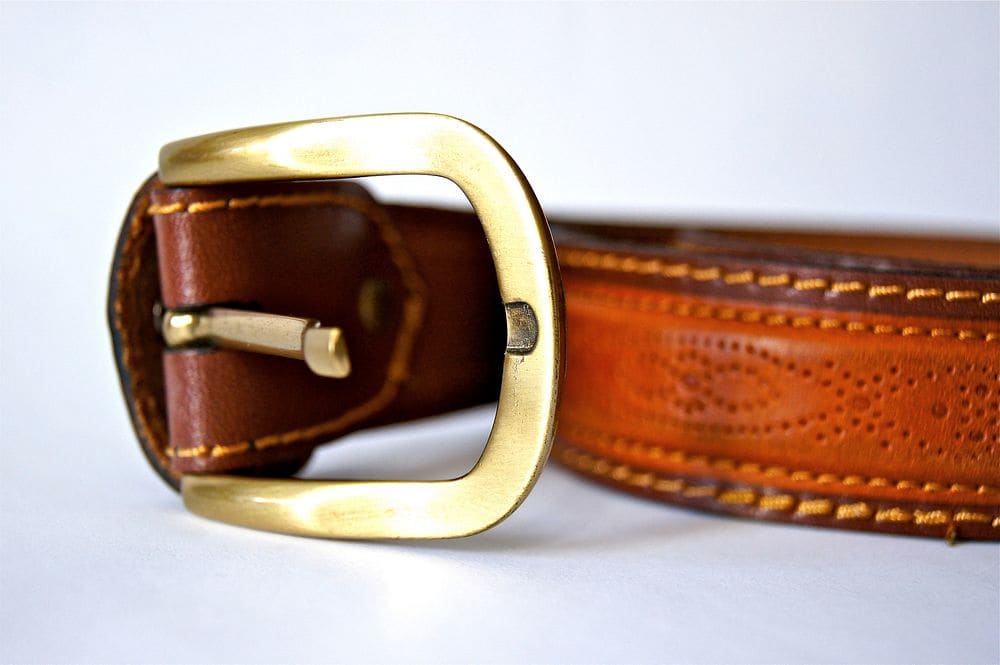
Mid · $100–$299
Tanner Goods Standard Belt
A single layer of thick vegetable-tanned leather with a solid brass buckle, built to darken and soften over years of daily wear.
Won't do: At 1.5 inches wide it is too broad for most suit-trouser loops, and it starts stiff.
Next stops
All Accessories guides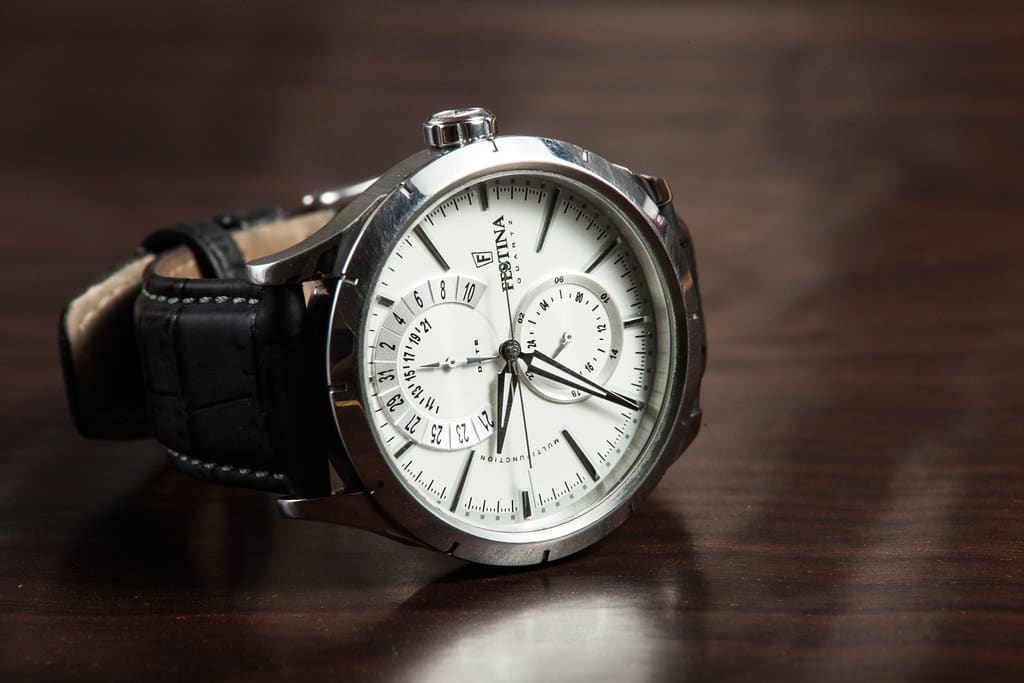
Watch Straps: Leather, Nylon, and Steel for Real Life
One watch can wear several straps, but most men need two at most. Choose them for your wrist and the weather they'll see, not for the dial.
Theo Lindqvist 5 min
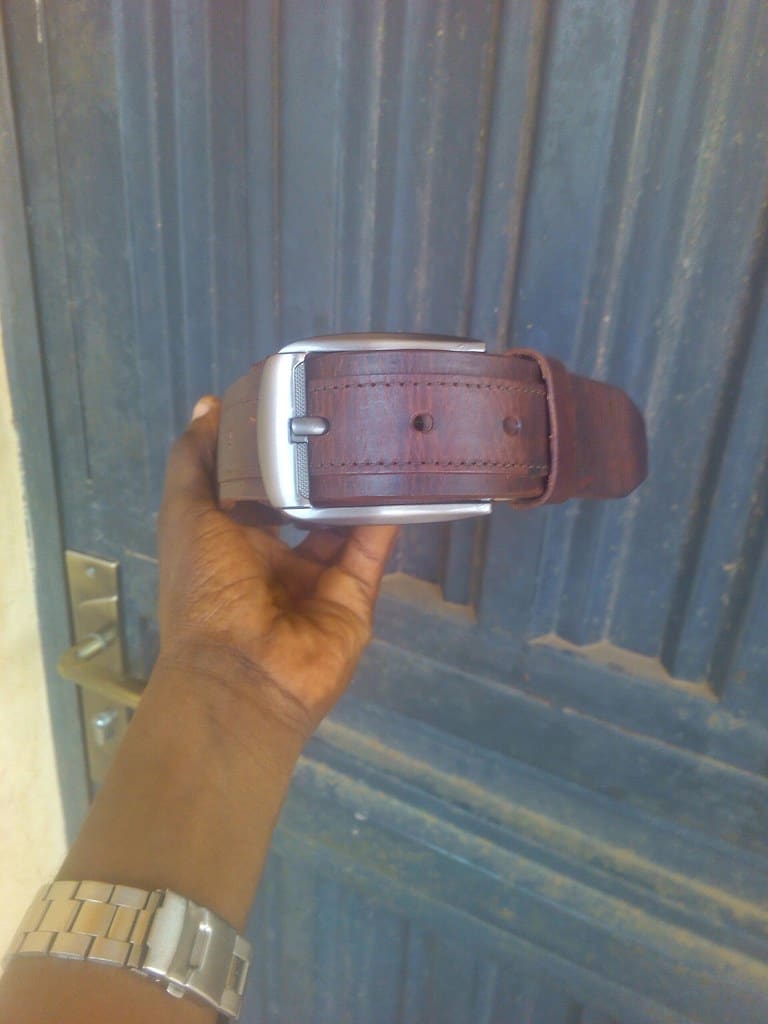
Do Your Belt and Shoes Have to Match?
With a suit, match them closely; with jeans, the rule loosens. It follows the trousers, and two belts are enough to cover it.
Theo Lindqvist 6 min
Alterations Worth Paying For, and Three That Aren't
Most of what makes a suit look expensive costs under $60 at a tailor, and the jobs that cost three times that rarely deliver.
Julian Okafor 8 min