Stop 04 · Accessories Materials
Watch Straps: Leather, Nylon, and Steel for Real Life
One watch can wear several straps, but most men need two at most. Choose them for your wrist and the weather they'll see, not for the dial.
By Theo Lindqvist, Accessories Editor
· 5 min read · 1,022 words
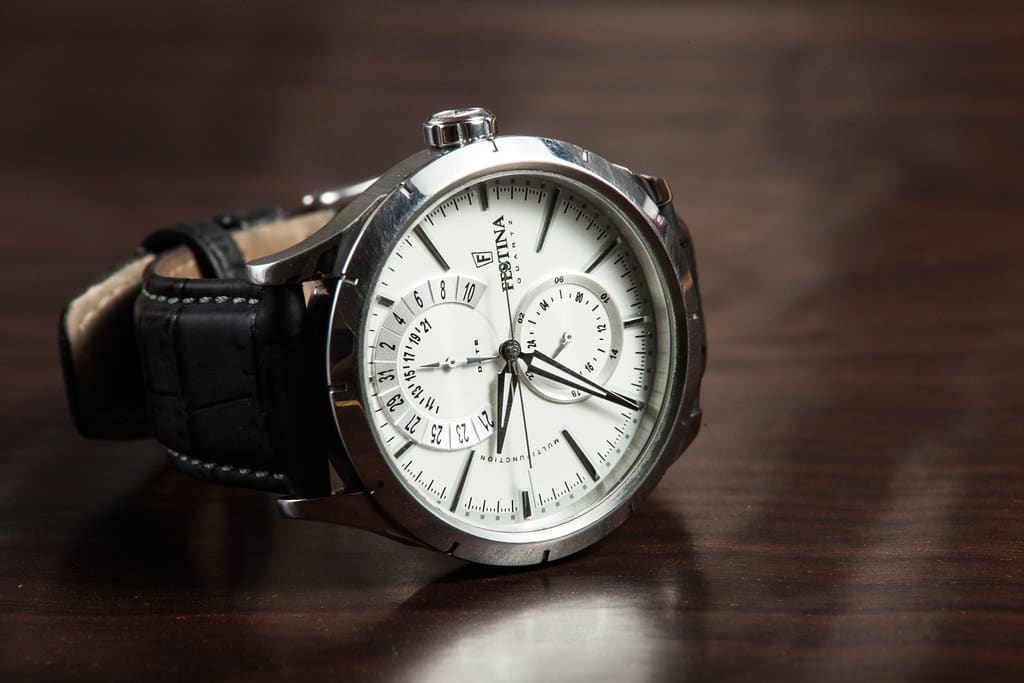
Take your watch off and turn the strap over. If it’s leather and you wear it every day, the underside near the buckle is probably darker than the rest, a little stiff, maybe cracked at the hole you use. That’s sweat, and it’s most of what you need to know about choosing a watch strap.
Pick the strap for how you’ll use it, not for the dial. Leather suits dry, office-bound days and lasts a year or two of daily wear. Nylon handles heat and water for a few dollars, and a steel bracelet does nearly everything for the life of the watch if it’s sized properly.
I own one watch. Over eleven years it has worn about a dozen straps, and I’ve settled on two I’d defend.
Every watch strap starts with lug width
Every strap is built around one number: the gap between the lugs, where the spring bars sit. Most men’s watches use 0.79 inches (20 mm) or slightly wider. Read it off the caseback or the maker’s spec sheet before you buy anything. A strap that’s even a little narrow rattles against the spring bars and wears through at the ends.
Length matters as much. A two-piece watch strap is sized like a belt: you want to sit on a middle hole with a short tail tucked under the keeper, the same proportions as sizing a belt by its center hole, scaled down to a wrist. For a 7-inch wrist, a standard strap with a long side of about 4.75 inches and a short side of about 3 inches lands you near the center.
Then there’s taper. Many straps narrow from the lugs to the buckle, say from 0.79 to 0.63 inches. A taper makes a large watch look lighter; a straight strap makes a small one look sturdier. I like a modest taper on anything dressy and none on anything I’d swim in.
Leather wants a dry wrist
Leather is the default, and on a dry day in an air-conditioned office it’s hard to beat. A calf strap weighs about a quarter ounce, warms to your skin in a minute, and sits flat under a shirt cuff. It suits tailoring better than anything else.
But leather and sweat don’t mix. Salt and moisture work in from the underside, and a strap worn daily through a humid summer is often finished in six to nine months. In drier months, or as part of a rotation, the same strap lasts two or three years. I learned this with a pale tan strap one August in a city with no breeze. By September it smelled like a gym bag and had a black ring at the buckle hole.
If you want leather in summer, look for a waterproofed lining or a heavily oiled leather, and take it off for anything involving sweat or water.
If you can smell your watch strap, it’s already worn out.
Nylon is the strap I’d keep
If I could keep one strap, it would be a single-pass nylon strap, a flat woven band that threads under both spring bars. It costs $15 to $30, weighs a fraction of an ounce, dries in about an hour, and goes through the washing machine in a mesh bag. Sweat doesn’t rot it. And if one spring bar fails, the other holds the watch on your wrist.
The trade-offs are real. Nylon adds thickness under the case, raising the watch by about 1/16 inch, which can catch on a tight shirt cuff. It also reads casual; with a suit it looks like you came from the gym. Rubber is the other waterproof option, heavier and pricier, and a good one lasts five years or more, though I find it warm in July.
Nylon is what I wear most Saturdays, with the weekend uniform I don’t get tired of. At the beach it sits in the same category as sunglasses that actually fit: chosen for function, cheap enough to replace.
Steel bracelets fit by the link
A steel bracelet is the most capable option and the heaviest, often 2 to 3 ounces on a mid-size watch. It survives water and sweat for decades, and it shrugs off the scrapes that would mark leather. It suits more clothes than people expect. With the metal buttons that make a jacket a blazer, a steel bracelet looks deliberate.
The catch is fit. You size a bracelet by removing links, each worth 0.2 to 0.3 inches, so the steps are coarse. Most clasps add micro-adjustment holes for finer tuning, and a jeweler will size it for $10 to $25. Leave room to slide one finger under the clasp. Your wrist swells in heat and after exercise, and a bracelet that fits at 8 a.m. in January will pinch by 3 p.m. in July.
| Strap | Weight | Life with daily wear | Typical cost |
|---|---|---|---|
| Calf leather | About 0.25 oz | 6 months–3 years | $40–$120 |
| Single-pass nylon | About 0.2 oz | 3–5 years | $15–$30 |
| Rubber | About 0.6 oz | 5+ years | $30–$80 |
| Steel bracelet | 2–3 oz | Life of the watch | Usually included |
Steel picks up hairline scratches. You can have it refinished, but I’d leave them.
Two straps, changed in a minute
More than two straps is a drawer of things you won’t wear. I tried a rotation of five once and found I wore the same two, and the other three stiffened in a box. Pick one for work and one for heat and water, and make swapping them easy. Straps with quick-release spring bars come off with a fingernail. For anything else, a $10 spring bar tool and a folded cloth over the case will do it without scratching the lugs, in about a minute. The same rule of owning few things and using each one hard runs through our accessories guides.
The verdict: Measure your lug width and wrist, then own two straps at most: a steel bracelet or a two-piece calf strap for workdays, and a $20 single-pass nylon strap for heat, water and weekends. If the watch came on a bracelet, keep it there nine months a year and switch to nylon from June through August.
Next stops
All Accessories guides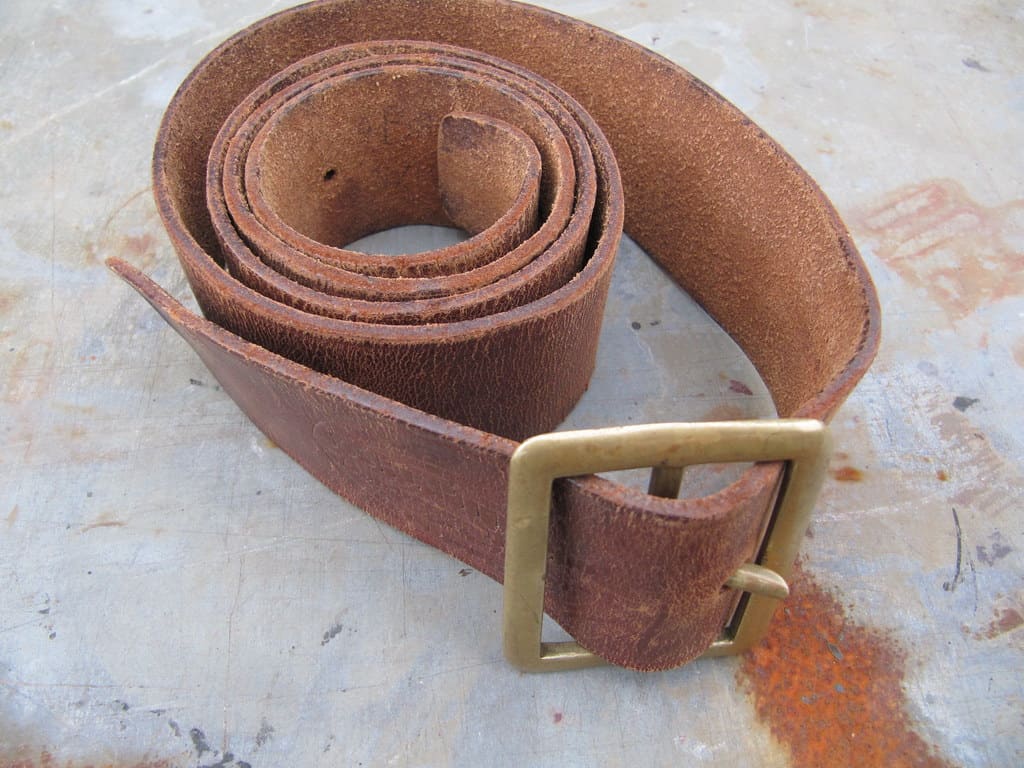
Belt Sizing: Why Your Belt Isn't Your Waist Size
A belt is measured from the buckle fold to the center hole, not around your body, and that one length is the only number worth trusting.
Theo Lindqvist 5 min
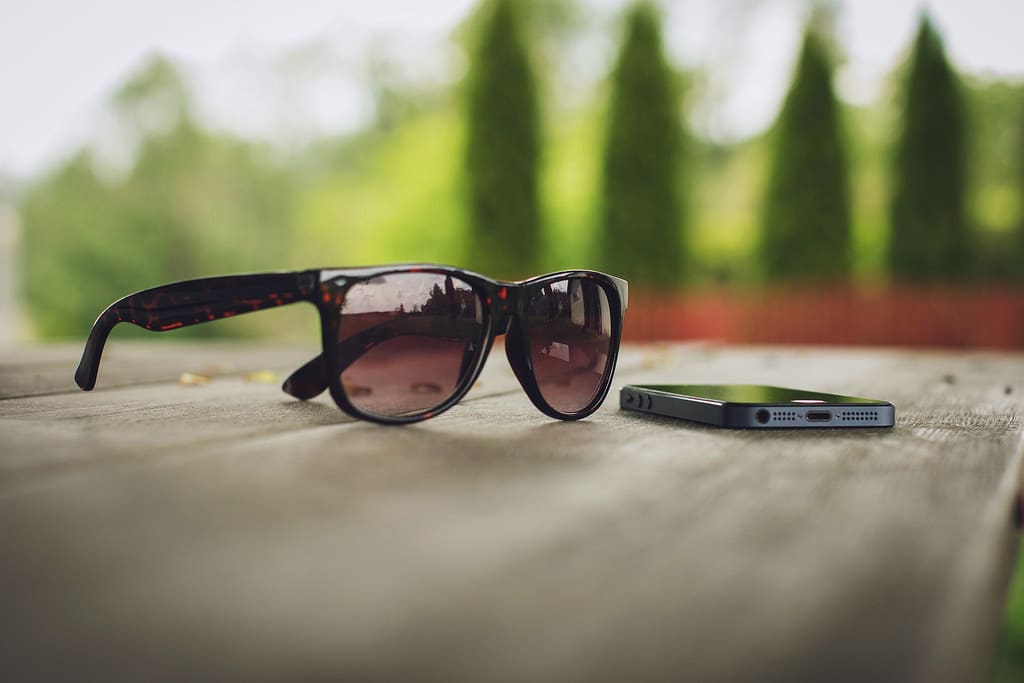
Sunglasses That Fit: Bridge, Lens Width, and Temple Length
Three small numbers printed inside the arm tell you more about how a pair will sit on your face than any face-shape chart. Here's how to read them and what to measure.
Theo Lindqvist 9 min
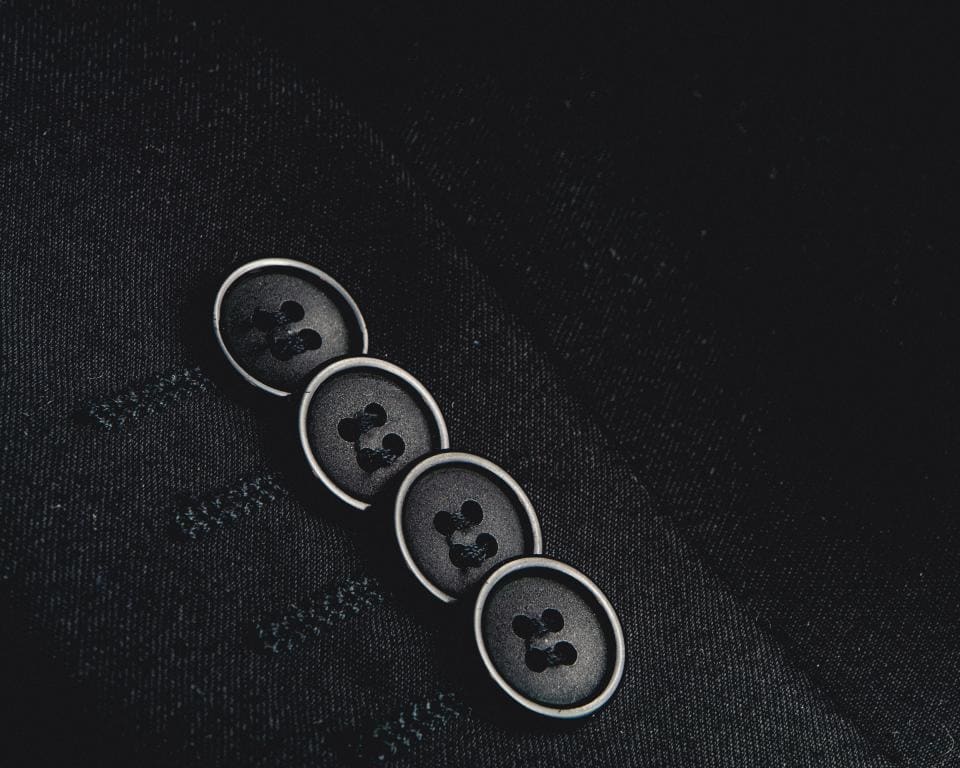
Sport Coat or Blazer? The Difference Is in the Details
Buttons, cloth, and pockets separate a blazer from a sport coat, and knowing which is which tells you what to wear it with.
Julian Okafor 8 min