Stop 06 · Field Guides Office Wear
Business Casual Without the Khaki Default
Two pairs of shoes, trousers in any color but tan, and a top half that does the rest: a business casual week that doesn't look like everyone else's.
By Sam Whitaker, Field Guides Editor
· 5 min read · 1,084 words
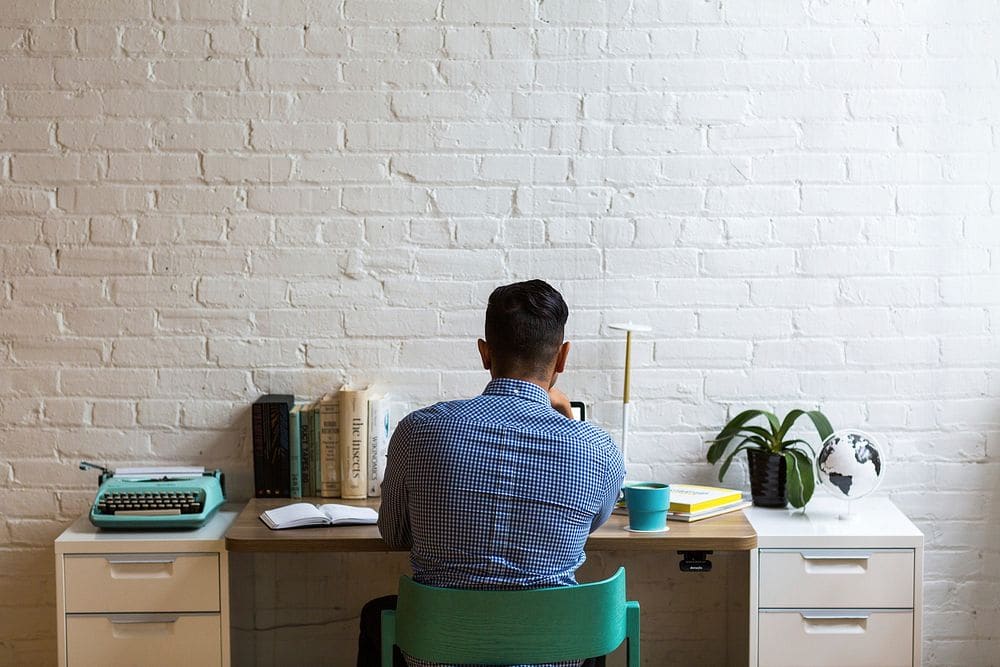
Khakis are the beige wallpaper of the American office, and nobody is going to stop you from taking them off. I wore the same tan chinos and blue shirt four days a week for most of my twenties because it felt safe. It was safe. It was also the reason I couldn’t remember a single thing I’d worn in three years.
Business casual for men has a simple definition once you strip out the noise: trousers that aren’t athletic wear, a shirt with a collar or a fine knit, and leather or suede shoes. A jacket is optional, and a tie usually isn’t expected. Inside that box, you can swap the khakis for gray wool, olive or navy chinos, and the brown lace-ups for suede chukkas or penny loafers, without anyone sending you an email about it.
Business casual for men has a floor and a ceiling
The floor is the point where someone in a meeting wonders if you’re heading to the gym after. Sneakers with mesh, joggers, a T-shirt with print on it. The ceiling is a full suit and tie, which in a business casual office reads as if you have an interview somewhere else at lunch. If you’re still at the stage of dressing to get the job, dress up; once you’re in, aim for the middle.
Most offices let you sit anywhere between those two lines, and the khaki default sits a little below the middle. That’s why it disappears. Move one notch up (wool trousers, leather or suede shoes, a collar) and you’ll look put together without looking like you tried.
Dark jeans are the gray area. Some offices allow them on Fridays and some never do, and the written policy is often older than the people following it. Watch what your manager wears in the second week. If you see dark, unfaded denim on a Thursday, you’re free to wear it too; until then, keep it for Friday.
Start with two pairs of shoes
I’d build the whole week on two pairs, alternated so each gets a day to dry out.
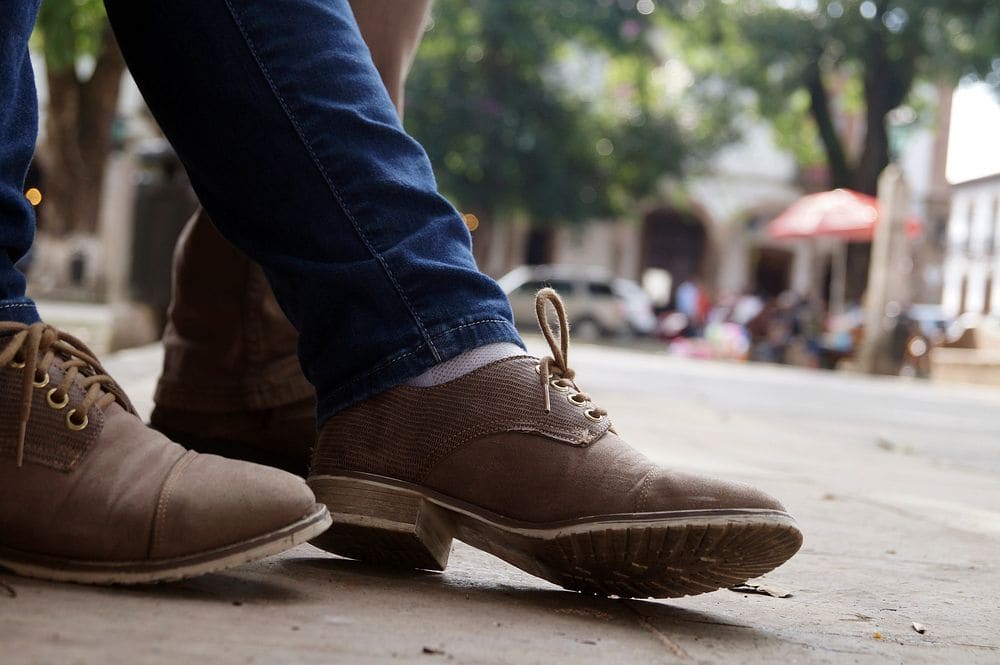
The first is the Clarks Originals Desert Boot, at $160. Two eyelets and a crepe sole under a suede upper, soft from the first wear. It’s the easiest way I know to make chinos look deliberate, and it dresses down a sport coat just as well. In sand or a darker brown suede, it goes with every trouser color in this piece.
It has two weak spots. The crepe sole wears quickly on concrete and picks up grit, so if your commute is a mile of sidewalk each way, expect it to look tired within a couple of years. And untreated suede is no match for a downpour. Suede handles drizzle far better than its reputation suggests (I’ve made the case that suede isn’t fragile at length), but spray it before the first wear, every six to eight weeks after, and keep it home on days that look like rain.
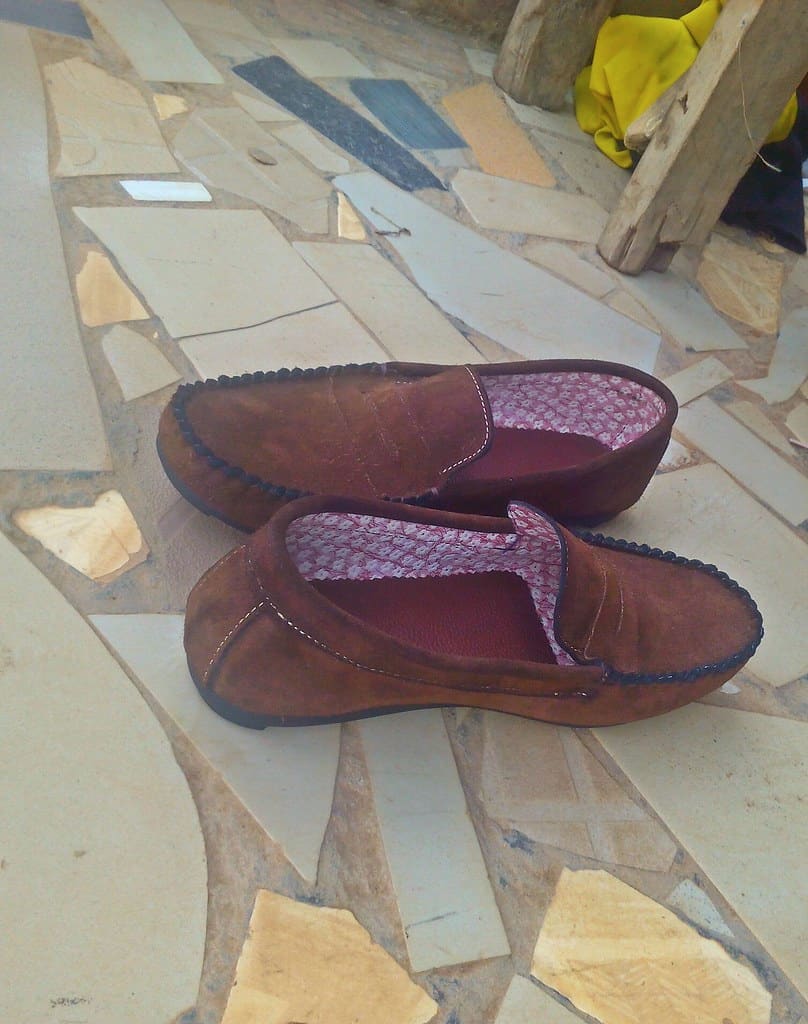
The second pair is the G.H. Bass Weejuns Larson penny loafer, at $165. A beefroll strap on a leather sole, in a shape that sits as well under chinos as it does with a summer suit. It’s the shoe for days with a client lunch or a presentation, when the chukka feels a step too relaxed.
Its limits: the polished leather can crease hard at the flex point, and you’ll see that line within a month. Shoe trees help; they don’t erase it. The last also runs long, so many buyers go down half a size. I’m a US 10D in most shoes and a 9.5D in these, and I learned that by returning the first pair.
Two good pairs alternated will outlast four mediocre ones worn into the ground.
Trousers in any color but khaki
Once the shoes are sorted, the trousers do most of the visible work. I’d own three pairs and rotate them: one in mid-gray wool, one in olive or brown cotton, and one in navy. Gray wool is the quiet hero here. It looks sharper than cotton and holds a crease all day.
A week built from those pieces looks like this:
| Day | Trousers | Top | Shoes |
|---|---|---|---|
| Monday | Gray wool | Blue oxford shirt | Desert boot |
| Tuesday | Olive chino | Navy knit polo | Penny loafer |
| Wednesday | Navy chino | White oxford, sport coat | Desert boot |
| Thursday | Gray wool | Fine merino crewneck | Penny loafer |
| Friday | Dark jeans, if allowed | Oxford shirt | Desert boot |
Five days, three pairs of trousers, two pairs of shoes. Nobody will clock the repeats, because the combinations change. Keep the hems clean: a slight break or none, so the trousers sit on top of the loafer instead of swallowing it.
Socks follow the trousers, not the shoes. Gray socks with gray wool and navy with navy chinos keep the line unbroken from waist to shoe, and a mid-calf length means no shin shows when you cross your legs in a meeting. With the loafers in July, no-show socks are fine.
The top half can do the rest
The oxford cloth button-down sits at the center of this, and I’ll defend the oxford shirt as undefeated for this kind of office. It’s sturdy enough to look fine at 5 p.m., and the collar holds its shape with or without a jacket. Two in blue and one in white cover the week.
Then add one layer that isn’t a shirt. A fine-gauge merino crewneck over the oxford in winter, or a knit polo on its own in summer, changes the look without changing the rules. If you want a jacket, make it an unstructured odd jacket in navy or brown rather than a suit jacket orphaned from its trousers. The sport coat versus blazer question matters more here than people expect, because a blazer’s shiny buttons can tip you toward the ceiling.
Winter changes the shoe math a little. Suede and crepe don’t love slush, so on bad mornings I wear boots in and change at my desk. I’ve written up the cold commute routine I use for that. There are more office and occasion guides here as well.
The verdict: Buy the Clarks Originals Desert Boot at $160 and the G.H. Bass Weejuns Larson at $165 (half a size down), alternate them daily, and pair them with gray wool, olive and navy trousers instead of khakis. Spray the suede before you wear it, keep it out of downpours, and you’ll have a business casual week that looks considered for about $325 in shoes.
In this story
How we make money: some links below are affiliate links. If you buy through them, Via may earn a commission. It never changes the price you pay, and it never decides what we recommend. Full disclosure.
Mid · $100–$299
Clarks Originals Desert Boot
The two-eyelet suede chukka on a crepe sole: light, soft from day one, and the easiest way to dress up chinos or dress down a sport coat.
Won't do: The crepe sole wears quickly on concrete and picks up grit, and untreated suede is no match for a downpour.
Mid · $100–$299
G.H. Bass Weejuns Larson Penny Loafer
The classic penny loafer with a beefroll strap and leather sole; it works with chinos, odd jackets, and summer suits.
Won't do: The polished leather can crease hard at the flex point, and the last runs long enough that many buyers go down half a size.
Next stops
All Field Guides guides
What to Wear to a Job Interview in 2026
Dress one step above the room, start with polished shoes and a belt that matches, and you can stop thinking about clothes before you sit down.
Sam Whitaker 6 min

Dressing for a Cold Commute, From the Boots Up
Warm feet first, thin layers second, a coat that stops wind third. Then change your shoes at your desk and nobody at work knows it was 18°F outside.
Sam Whitaker 7 min
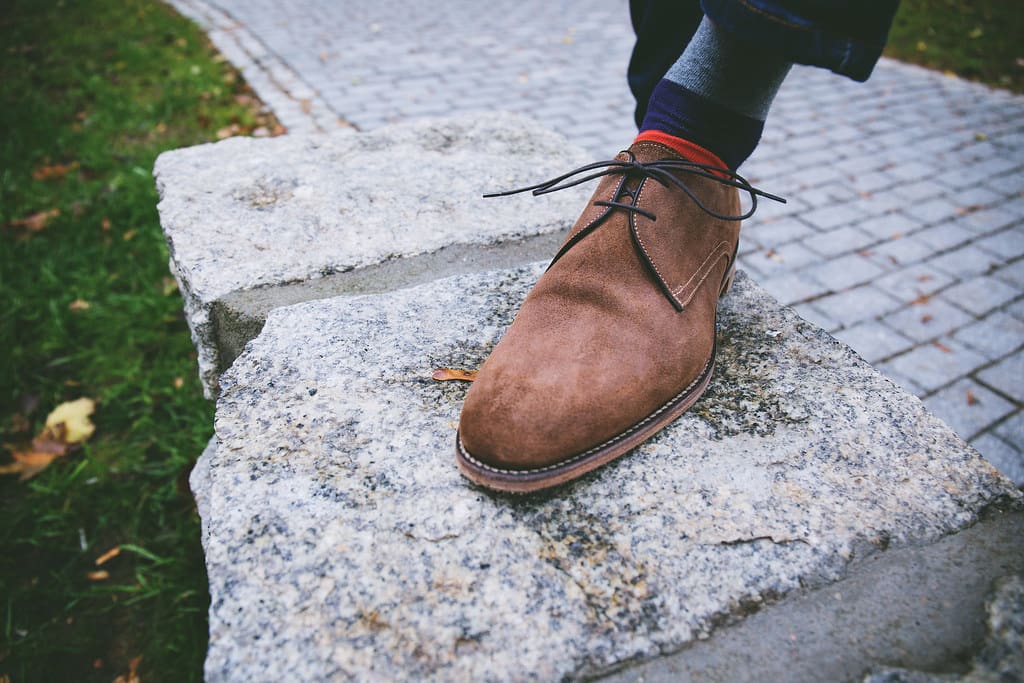
Suede Isn't Fragile. You've Just Been Told It Is.
Suede is the same cowhide as smooth leather with the nap turned out, and with a $15 spray and a $10 brush it handles far more weather than its reputation suggests.
Marcus Hale 8 min