Stop 06 · Field Guides Weather Plan
Dressing for a Cold Commute, From the Boots Up
Warm feet first, thin layers second, a coat that stops wind third. Then change your shoes at your desk and nobody at work knows it was 18°F outside.
By Sam Whitaker, Field Guides Editor
· 7 min read · 1,631 words

At 7:40 on a January morning, a city sidewalk sits around 20°F, and for the next thirty-five minutes the soles of your shoes are all that stands between it and you. Your face gets the wind. Your feet get the ground.
I spent my first winter of long walks to the train in leather-soled oxfords and cotton dress socks. By February I’d stopped feeling my toes at the second crosswalk, and the fix, once I finally made it, cost less than $300.
Dressing for a cold commute works from the ground up. Wear a water-resistant boot with a thick rubber sole and cushioned wool socks, then thin layers under a coat that blocks wind, plus a hat and gloves that fit in a pocket. Keep your office shoes at your desk and change when you arrive.
Dressing for a cold commute starts at the sidewalk
Cold feet are mostly a conduction problem. Heat leaves through whatever touches the ground, and a thin leather sole conducts it away almost as fast as you make it. A thick rubber sole with some air or foam in it puts distance between you and the concrete, and it grips on ice where leather skates.
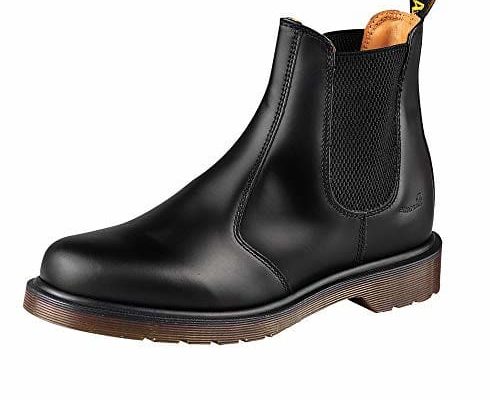
My commuting boot for most of the winter is the Blundstone #500 Chelsea Boot, at $230. It’s a water-resistant leather pull-on with elastic gussets on each side and a shock-absorbing sole, and it’s on your feet in five seconds, which matters more than it sounds when you’re standing in a hallway with a coffee in one hand. It’s comfortable from the first morning through a full day, and the leather shrugs off slush.
There are trade-offs, and I’ve lived with both. There are no laces to tune the fit, so if you have narrow heels, they may slip, and a slipping heel in a cold boot means a blister by Thursday. A thin insole or a thicker sock often fixes it, and there’s a full explanation of how a Chelsea boot should fit if you can’t tell slipping from settling. The other drawback is the injected sole. It can’t be resoled the traditional way, the way a cobbler would stitch a new sole onto a welted boot, so when the tread is gone, so is the boot. I’ve had a pair last four winters of daily wear, which works out to well under a dollar a day. I’ve made peace with that.
A lace-up boot fits better, and I won’t pretend otherwise. I still pick the pull-on for commuting, because I take my boots off twice a day, at the office and at home, and laces wet with slush are miserable to untie with cold fingers. If your commute is mostly driving and a short walk from the lot, a lace-up makes more sense.
Whatever you choose, look for a rubber sole at least half an inch thick under a leather or treated upper, with enough room inside for a thick sock without your toes pressing the front. Tight boots are cold boots, because a squeezed foot loses circulation.
Socks are the cheapest warmth you’ll buy
If your feet are cold in decent boots, the socks are usually the problem. Cotton holds sweat against your skin, and wet skin chills fast. Wool stays warm when damp, which is the condition your feet are in by the time you reach the office.
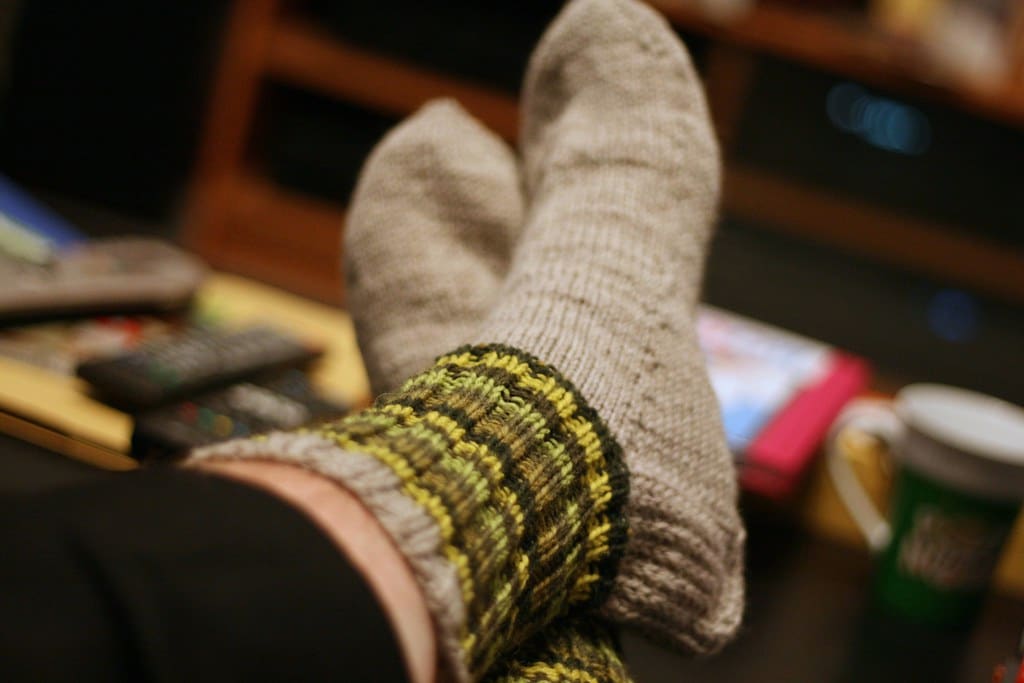
The sock I’d buy is the Darn Tough Hiker Micro Crew Cushion, at $27 a pair. It’s a cushioned merino-blend boot sock with a padded sole, and it doesn’t hold odor through a long day in boots. It also comes with a lifetime guarantee.
Two honest problems. It’s far too thick for dress shoes or loafers, so it’s strictly a boot sock; if you try to wear it into a slim oxford you’ll feel the toe box squeeze before you’ve tied the laces. That’s why I change socks at the desk along with my shoes. And it’s pricey per pair until you count the replacements you won’t buy. Three pairs cost $81. Three pairs of cheap cotton-blend socks cost maybe $15 and wear through at the heel in a season. I’ve had my oldest pair of these for six winters.
Three pairs, worn in rotation, cover a five-day week with time for each to dry fully between wears. Wash them inside out on a warm cycle and hang them to dry; high heat in the dryer is what shrinks wool, not the water.
| Temperature | Boots | Socks | Layers under the coat |
|---|---|---|---|
| 40–50°F | Leather boot or shoe with rubber sole | Light wool | Shirt and a fine knit |
| 30–40°F | Water-resistant boot | Cushioned wool | Shirt and a merino sweater |
| 20–30°F | Water-resistant boot, thick sole | Cushioned wool | Thin base layer, shirt, sweater |
| Below 20°F | Insulated or lined boot | Cushioned wool, maybe two | Base layer, shirt, sweater, vest |
Tight boots are cold boots, and no sock in the world fixes that.
Layer thin, under a coat that stops wind
Above the ankle, the goal is several thin layers rather than one thick one, because you’ll be warm on the platform, overheated on the train and cold again at the other end. Thin layers let you unzip and remove one without stripping down in a crowded car.
Start with a thin merino base layer under your shirt on the coldest days. It’s invisible under a button-down and adds more warmth than its weight suggests. Over the shirt, a merino or lambswool sweater does most of the work. Wool knits need a little looking after through a winter of daily wear, and I’ve written about keeping knitwear alive past the first season of pilling.
The coat should block wind more than anything else. A wool overcoat that reaches mid-thigh covers the tops of your legs, which a short jacket leaves exposed. Size it to fit over a sweater, so try it on wearing one. Then add a wool hat and leather gloves you can stuff in a coat pocket once you’re inside.
The hat should cover the tops of your ears, which is where a short beanie fails. Gloves are worth spending a little on: unlined leather is fine down to about 35°F, but below that you want a wool or cashmere lining, and the difference at a bus stop is obvious within five minutes. Buy them snug. Loose gloves leave a pocket of cold air around each finger.
Trousers matter more than people think, because wind goes straight through thin cotton. On mornings below 30°F, wool trousers (flannel, if you own any) are noticeably warmer than chinos, and they look better with boots anyway. Have them hemmed with a slight break so the cuff sits over the top of the boot instead of riding up and showing a strip of sock every time you sit down on the train.
I was skeptical of scarves for years. I thought they were decoration. But a scarf closes the gap at the collar where warm air leaks out of the coat, and on a windy morning that gap is where most of the cold gets in.
Change your shoes at the desk
The boots get you there. They don’t have to stay on. Keep a pair of office shoes under your desk (or in a drawer, in a cloth bag) and swap when you arrive. It takes thirty seconds with a pull-on boot. Bring a pair of thin socks too, and change those along with the shoes, because the boot socks won’t fit in anything slimmer.
That swap is what makes winter dressing work in a business casual office. The boots and the coat handle the weather, and what’s underneath (wool trousers and an oxford shirt) is the same outfit you’d wear in October. Indoors, a leather-soled shoe is perfectly fine; it’s only the sidewalk that’s the problem.
If your office is hot-desked and there’s nowhere to leave shoes, carry them. A pair of dress shoes in a cloth bag adds about two pounds to your bag, and a flat pair of loafers packs smaller than an oxford. It’s a small price for warm feet on the way in and decent shoes in the meeting.
On interview days, the same plan applies with a tighter timeline. Wear the boots there, carry the dress shoes in a bag, and change in the lobby restroom before you check in. I covered the rest of that day in my guide to dressing for a job interview, and the boots-then-oxfords swap fits right into it.
Salt, slush, and the evening after
The commute home is the one that does damage, because the sidewalks have had a full day of salt. Those white tide lines on leather are salt drawing moisture out of the hide, and if you leave them, the leather dries, stiffens and eventually cracks.
When you get home, wipe the boots with a cloth dampened in one part white vinegar to two parts water and let them dry away from the radiator. Direct heat cracks leather faster than salt does. Condition the leather once a week through the worst months. There’s a step-by-step on getting salt stains out of leather boots if the marks have already set.
Give your boots at least 24 hours to dry between wears. A second pair helps, but even one pair dried properly will see you through a winter. More cold-weather plans and occasion guides are collected in the Field Guides section.
The verdict: For a cold commute, buy the Blundstone #500 at $230 (try it with the socks you’ll wear, and add a thin insole if your heel slips) and three pairs of Darn Tough Hiker Micro Crew Cushion at $27 each. Layer thin merino under a wind-blocking wool coat, keep dress shoes and thin socks at your desk, and wipe the salt off every evening.
In this story
How we make money: some links below are affiliate links. If you buy through them, Via may earn a commission. It never changes the price you pay, and it never decides what we recommend. Full disclosure.
Mid · $100–$299
Blundstone #500 Chelsea Boot
A water-resistant leather pull-on boot with elastic gussets and a shock-absorbing sole; on in five seconds, comfortable for a full day.
Won't do: There are no laces to tune the fit, so narrow heels may slip, and the injected sole can't be resoled the traditional way.
Entry · under $100
Darn Tough Hiker Micro Crew Cushion
A cushioned merino-blend boot sock with a lifetime guarantee; warm when damp, and it doesn't hold odor through a long day in boots.
Won't do: Far too thick for dress shoes or loafers, and pricey per pair until you count the replacements you won't buy.
Next stops
All Field Guides guides
What to Wear to a Job Interview in 2026
Dress one step above the room, start with polished shoes and a belt that matches, and you can stop thinking about clothes before you sit down.
Sam Whitaker 6 min

Business Casual Without the Khaki Default
Two pairs of shoes, trousers in any color but tan, and a top half that does the rest: a business casual week that doesn't look like everyone else's.
Sam Whitaker 5 min
How a Chelsea Boot Should Fit, and the Heel-Slip Myth
A Chelsea has no laces to save a bad fit, so the instep, the heel cup and a quarter inch of lift decide whether you'll wear it or return it.
Marcus Hale 7 min