Stop 01 · Footwear Buying Guide
Your First Real Pair of Boots: Five Questions Before You Buy
Before you spend $160 or $370 on boots, answer five blunt questions about weather, wardrobe, sizing and upkeep, and the right pair picks itself.
By Marcus Hale, Footwear Editor
· 6 min read · 1,430 words
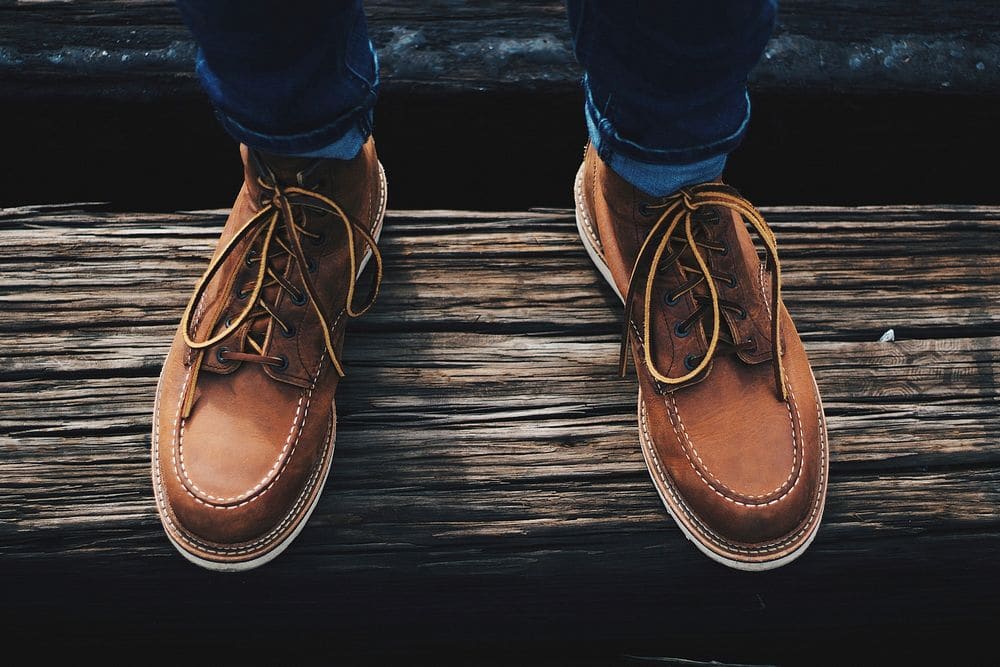
My first pair of boots was a size 11, because I wore an 11 in running shoes. I was nineteen. They were heavy lace-ups on a lug sole, and they slid on my heels so badly that I had two open blisters by the end of the first week and gave up on them by the third. Years later, after I’d measured a few thousand feet on a shop floor, I worked out that I’d needed a 10.5 and a different boot entirely.
Most first-boot mistakes look like mine. A man points at the most rugged thing on the wall, asks for his sneaker size, and pays before anyone has measured him.
So before you buy, answer five questions: where you’ll walk in winter, what you wear four days a week, what your foot actually measures, how much break-in you’ll tolerate, and whether you’ll pay for upkeep. The answers pick the boot. For most men they point to one of three: a welted work boot around $370, a pull-on Chelsea around $230, or a suede chukka around $160.
Your weather picks your first pair of boots
Start with what falls on you and what you walk on. A boot that suits a dry city is miserable in a slushy one.
If you get real rain and snow from November to March, you want oiled or treated leather and a rubber sole with some tread. If your winters are cold but dry, suede works fine and so does a softer sole. If you walk on concrete every day, the sole matters more than the upper, because concrete chews through crepe and soft rubber fast.
Be honest about the commute. The man who drives to work and walks forty feet to the elevator doesn’t need a boot built for a job site. The man who walks two miles to the train in February does, and he should plan his whole cold-weather commute from the boots up, because a wet sock at 7:40 a.m. ruins the rest of the day.
| Your winter | Upper | Sole | Fits best |
|---|---|---|---|
| Wet, slushy, salted | Oiled leather | Rubber lug or cushioned rubber | Work boot or Chelsea |
| Cold and dry | Leather or suede | Rubber or crepe | Any of the three |
| Mild, mostly dry | Suede | Crepe | Chukka |
Salt deserves its own warning. It leaves white tide lines on leather within a week, and the leather dries and cracks along them. Learn how to get salt stains out of leather in November, before you need to.
Your closet decides how dressy the boot can be
Look at what you actually wear four days out of five. Not what you wish you wore. If it’s jeans and a flannel, a chunky work boot fits right in, and it looks best over raw denim in its first year, when the two fade and crease together. If it’s chinos and an unstructured jacket, a work boot looks like you came straight from a site visit, and a slim chukka or Chelsea looks intentional.
Your first pair of boots has to cover a lot of days, so it should sit in the middle of your wardrobe. I’ve watched men buy a heavy work boot, realize it goes with exactly one pair of jeans, and leave it in the closet until April. That’s $370 in a box.
Most first boots end up in the closet because they matched an outfit the guy didn’t own.
Measure your feet, then forget your sneaker size
Most men haven’t stood on a proper sizing device since grade school. Sneakers are cut with extra toe room and a soft upper that forgives a lot. Leather boots don’t.
Get measured standing, both feet, late in the day when your feet are largest. Then expect boots to fit differently from sneakers. Heavy work boots usually run roomy, and most wearers go half a size down. Pull-on boots need a snug instep because there are no laces to hold your foot back, so the rules for how a Chelsea boot should fit are stricter than for anything with laces. Soft suede chukkas tend to run close to true size.
The test takes a minute. With the boot on, you want about half an inch of space beyond your longest toe, and the ball of your foot should sit at the widest part of the boot. A new boot’s heel can lift a little, under a quarter inch. More than that and the boot is too long or the heel cup is wrong for your foot.
Four weeks of stiffness buys you a decade
This is the question men skip. A real work boot with a thick upper and a welted sole is stiff out of the box, and it takes about a month of regular wear before it bends where your foot bends. You’ll feel that month on your heels and across your instep.
If you’ll wear thick socks, start with two-hour sessions, and push through four weeks, you get a boot that molds to you and lasts ten years. If you want comfort on day one, choose something softer and accept a shorter life.
Weight matters here, and nobody checks it before buying. A suede chukka on crepe weighs about a pound per boot in a US 10. A pull-on leather boot with a cushioned rubber sole lands around a pound and a half. A welted work boot on a lug sole runs close to two and a half pounds per boot. You lift that extra pound a few thousand times a day, and your calves notice before your heels do.
Quitting a stiff boot in week two was the most common failure I saw on the floor. Wear it around the house in the evenings for the first week, then on errands, and save full workdays for last.
Your upkeep budget sets the lifespan
The last question is about year three. A boot with a stitched, welted sole can be resoled; a good cobbler charges $90 to $150, and the upper can outlast several soles. A boot with a molded or injected sole is finished when the sole is.
Leather wants cleaning and conditioning every month or two in winter. Suede wants a protective spray before the first wear and a brush after bad days, though it’s tougher than its reputation, and I’d argue with anyone who says suede can’t handle weather. If you won’t do any of that, buy the boot that tolerates neglect best and plan to replace it.
Three boots answer these questions three different ways.
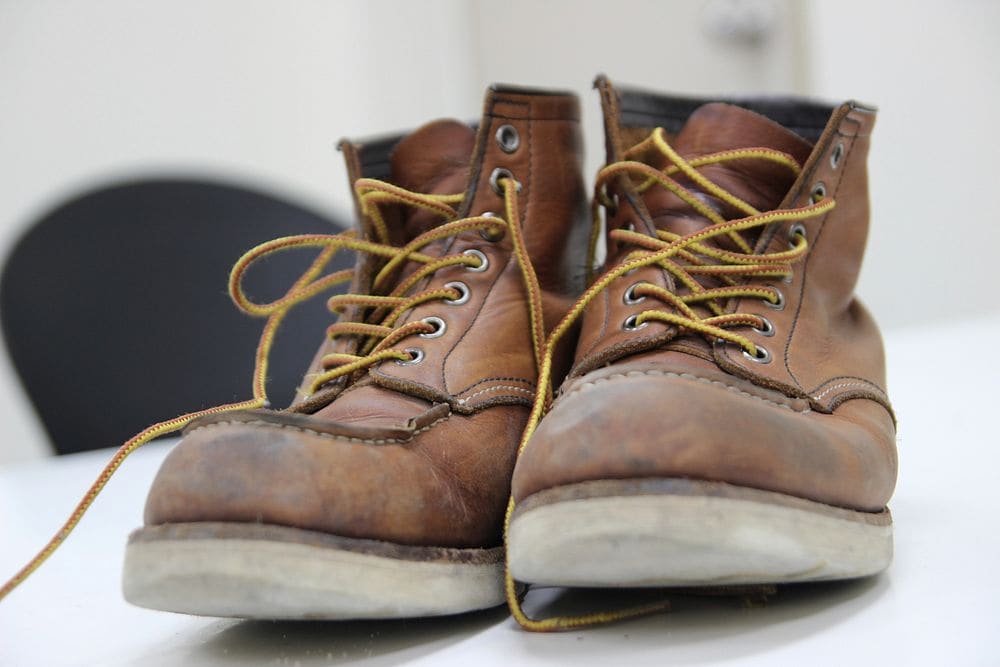
The Red Wing Heritage Iron Ranger 6-Inch Boot, $370, is the long-haul answer. It’s Goodyear-welted and triple-stitched in oil-tanned leather, with a double-layer toe cap, and it molds to your foot and resoles for years. It’s also heavy and stiff for the first month, and most wearers size down half a size from their sneakers. Buy it if you answered wet winter, jeans, patient, willing to resole.
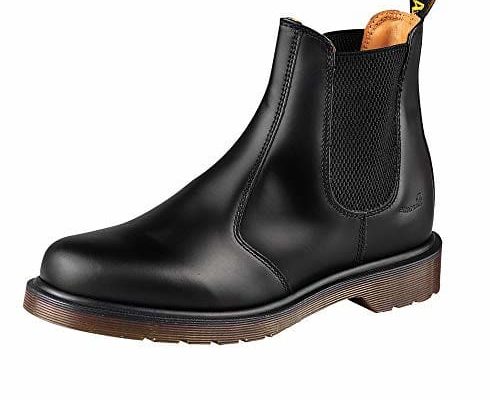
The Blundstone #500 Chelsea Boot, $230, is the easy answer: water-resistant leather with elastic gussets on a shock-absorbing sole, on in five seconds and comfortable for a full day from the first wear. The catch is fit and longevity. With no laces to tune the fit, narrow heels may slip, and the injected sole can’t be resoled the traditional way. I underrated it for years because of that sole, until I noticed how many customers got four or five winters out of one pair.
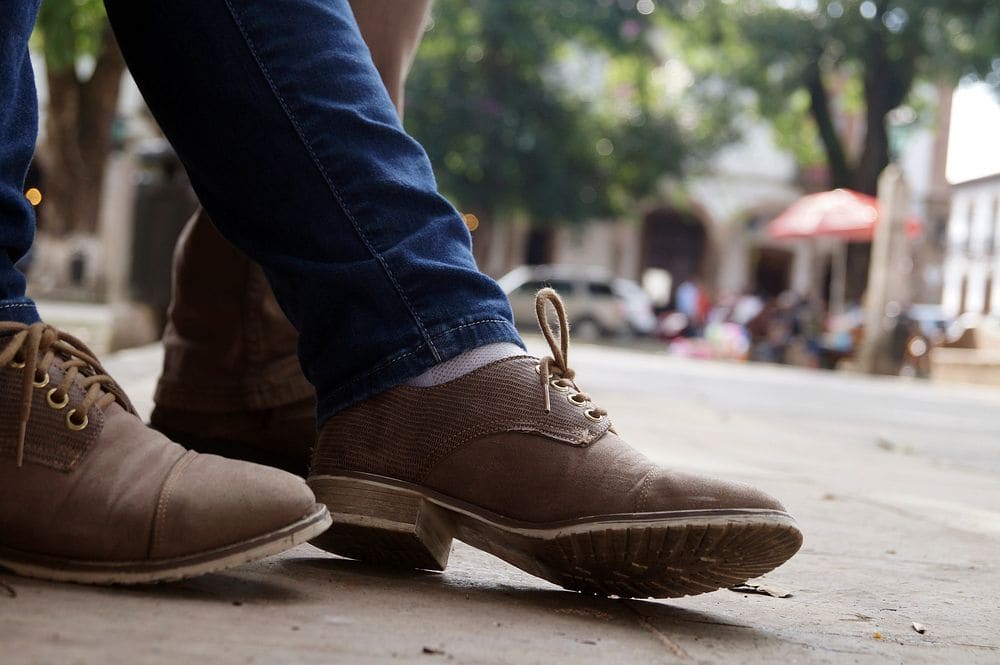
The Clarks Originals Desert Boot, $160, is the light, dressy answer, a two-eyelet suede chukka on crepe that’s soft from day one and the easiest way to dress up chinos or dress down a sport coat. The crepe wears quickly on concrete and picks up grit, and untreated suede is no match for a downpour. Buy it if your winters are dry and your closet runs to chinos.
| Boot | Price | Break-in | Resolable |
|---|---|---|---|
| Red Wing Iron Ranger | $370 | About 4 weeks | Yes, $90–$150 |
| Blundstone #500 | $230 | A few days | Not traditionally |
| Clarks Desert Boot | $160 | A few days | Crepe replaceable, rarely worth it |
If none of the three fits, browse more footwear guides on sizing and soles.
The verdict: If you live somewhere wet, wear jeans most days, and will put in a month of break-in, buy the Iron Ranger half a size down from your sneakers and keep it ten years. If you want one pull-on boot that’s comfortable today and handles rain, buy the Blundstone and insist on a heel that fits snug. Start with the Desert Boot only if your winters are dry and you dress closer to chinos than denim.
In this story
How we make money: some links below are affiliate links. If you buy through them, Via may earn a commission. It never changes the price you pay, and it never decides what we recommend. Full disclosure.
Investment · $300+
Red Wing Heritage Iron Ranger 6-Inch Boot
A triple-stitched, Goodyear-welted lace-up work boot in oil-tanned leather with a double-layer toe cap; it molds to the foot and resoles for years.
Won't do: Heavy and stiff for the first month, and most wearers size down half a size from their sneakers.
Mid · $100–$299
Blundstone #500 Chelsea Boot
A water-resistant leather pull-on boot with elastic gussets and a shock-absorbing sole; on in five seconds, comfortable for a full day.
Won't do: There are no laces to tune the fit, so narrow heels may slip, and the injected sole can't be resoled the traditional way.
Mid · $100–$299
Clarks Originals Desert Boot
The two-eyelet suede chukka on a crepe sole: light, soft from day one, and the easiest way to dress up chinos or dress down a sport coat.
Won't do: The crepe sole wears quickly on concrete and picks up grit, and untreated suede is no match for a downpour.
Next stops
All Footwear guides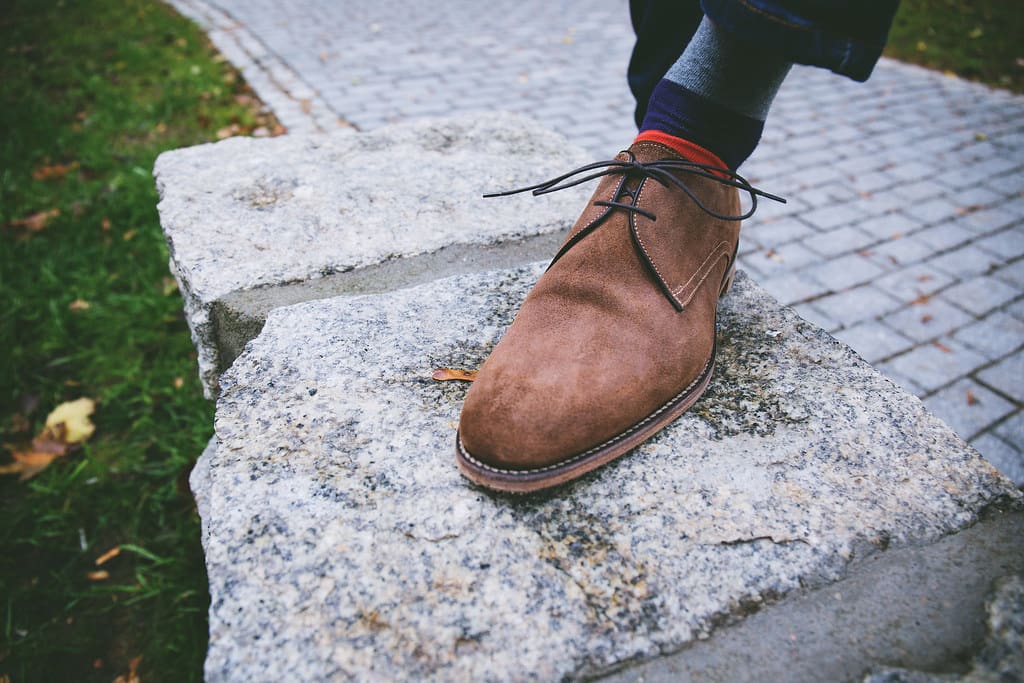
Suede Isn't Fragile. You've Just Been Told It Is.
Suede is the same cowhide as smooth leather with the nap turned out, and with a $15 spray and a $10 brush it handles far more weather than its reputation suggests.
Marcus Hale 8 min
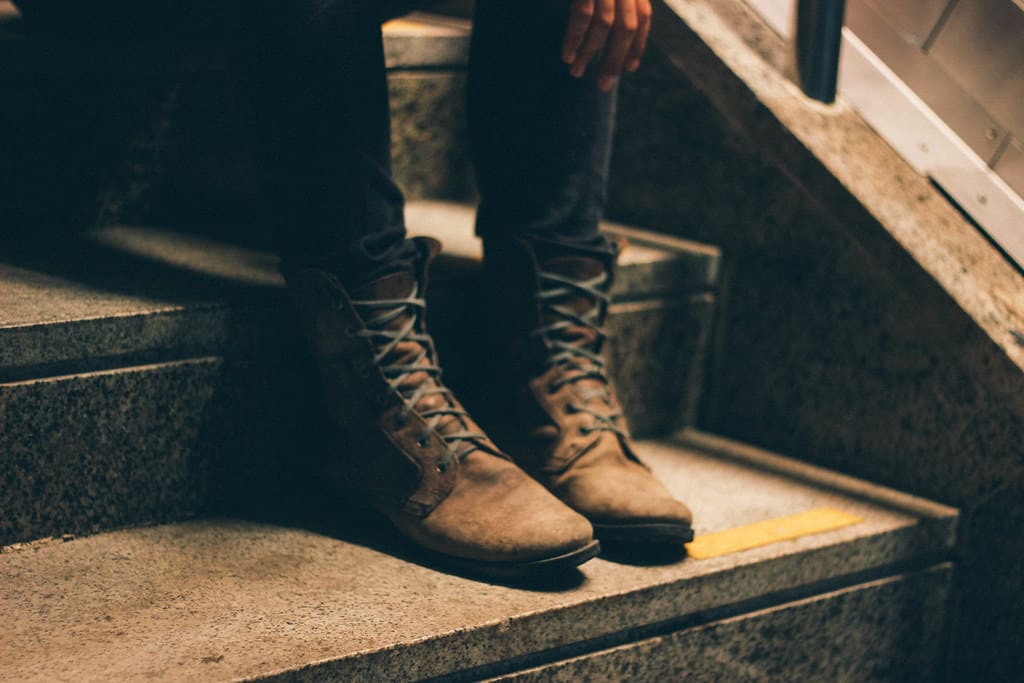
How a Chelsea Boot Should Fit, and the Heel-Slip Myth
A Chelsea has no laces to save a bad fit, so the instep, the heel cup and a quarter inch of lift decide whether you'll wear it or return it.
Marcus Hale 7 min
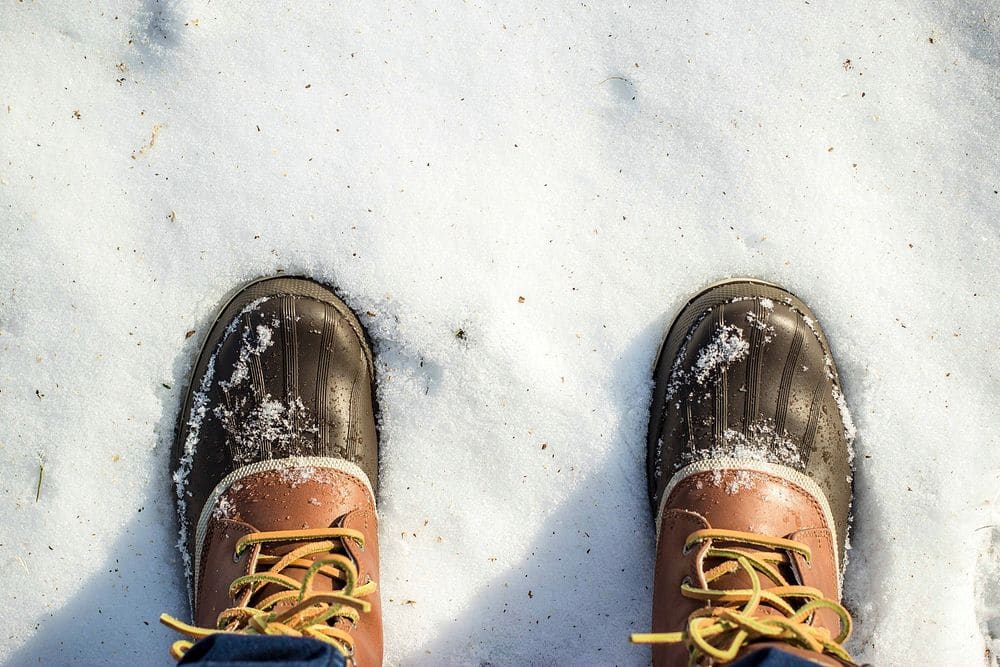
Getting Salt Stains Out of Leather Boots
Those white tide lines do more than look bad. Salt pulls the oil out of leather and cracks it at the creases. Vinegar, patience, and conditioner fix it.
Walt Brennan 8 min